
The Vert.lu blog
Blog, Energy & renovation in Luxembourg
Klimabonus subsidies, solar, heat pumps, batteries and more.
Featured
The latest published article
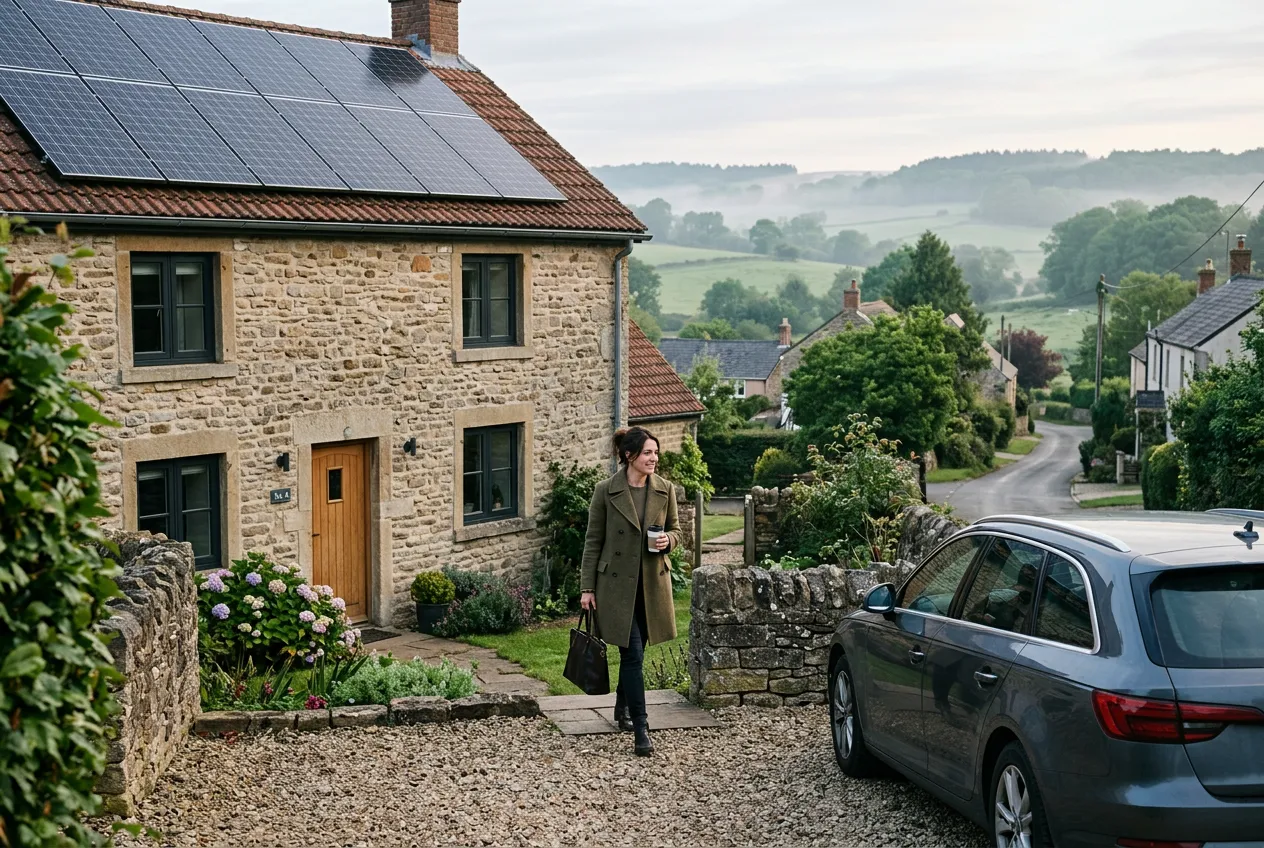
For Klimabonus grants, neither your home address nor your workplace counts: only the location of the building does. A solar installation on a house in Luxembourg brings up to €10,000, even if the owner lives in Metz. A house in Thionville, Arlon or Trier brings €0, even after 20 years of working in Luxembourg. Here is who gets what, and where cross-border workers should look instead.
Read moreRecent
The most recent articles
A serious contractor in Luxembourg ticks four boxes you can check in ten minutes: a business permit from the Ministry of the Economy, an RCS registration, liability insurance and a detailed quote. The country has almost 9,000 craft businesses and the vast majority do good work. Here is how to spot the others before you sign, not after.
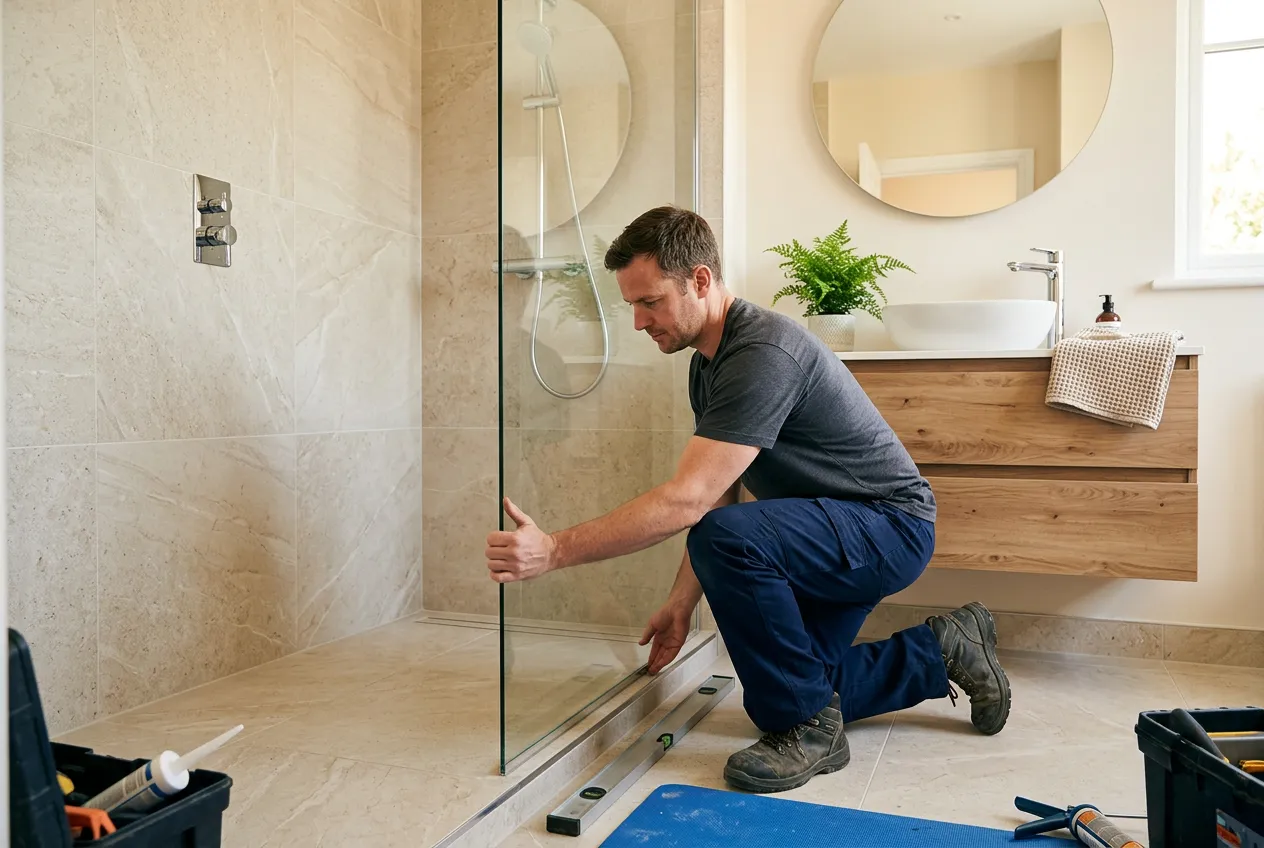
A full renovation of a 5 to 7 m² bathroom usually costs between €15,000 and €25,000 excl. VAT in Luxembourg in 2026 in the mid-range, from €8,000 at entry level to €45,000 at the high end. With 3% VAT in a dwelling over 10 years old, the bill gets several thousand euros lighter. Here are the prices by range and by item, the real length of the works and the possible grants, including for an adapted bathroom.
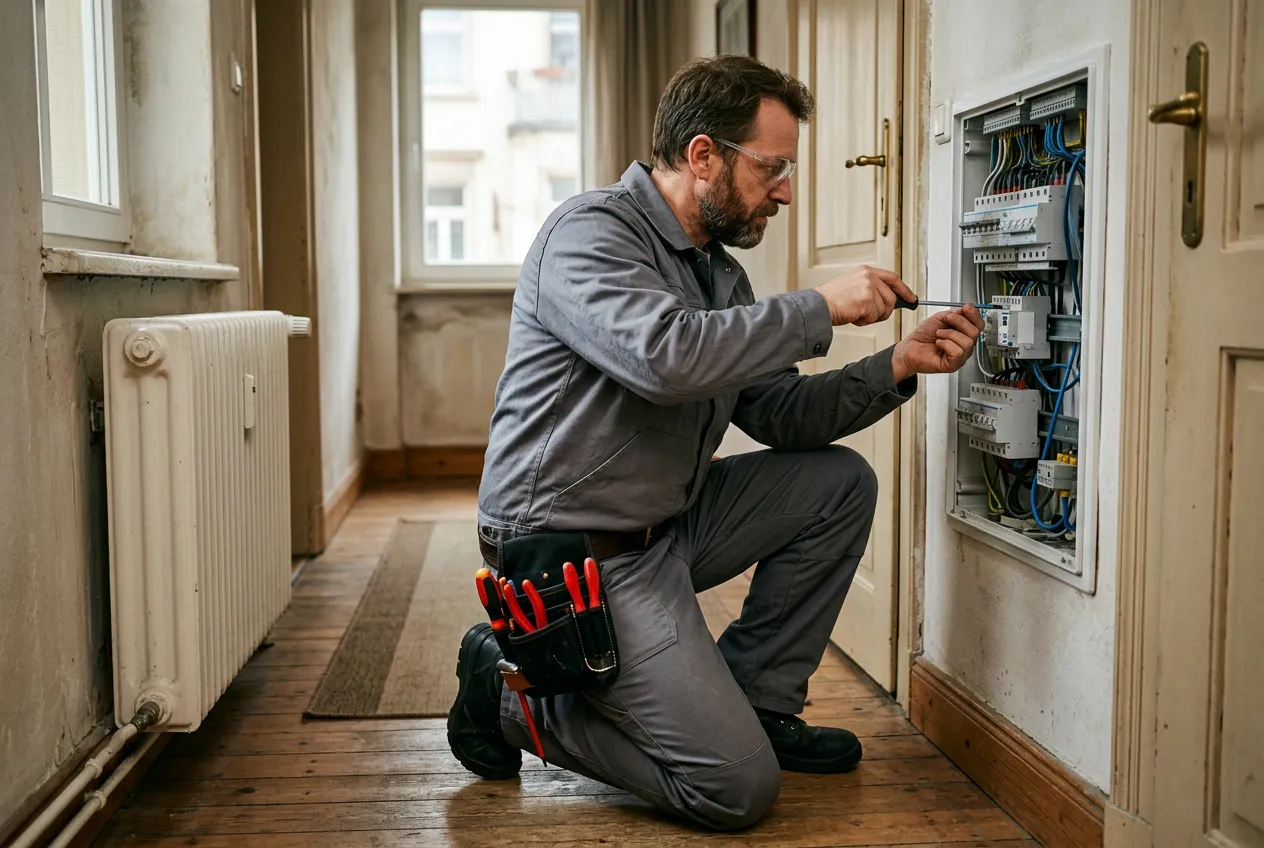
In Luxembourg in 2026, an hour of an electrician or a heating and plumbing installer is usually billed at between €75 and €110 excl. VAT for planned work, plus €40 to €80 for travel. In the evening, at the weekend or in an emergency, the same hour climbs to €120 or even €180. Here is where these prices come from, what gets added to the invoice and how to compare two contractors without being fooled by the hourly rate.
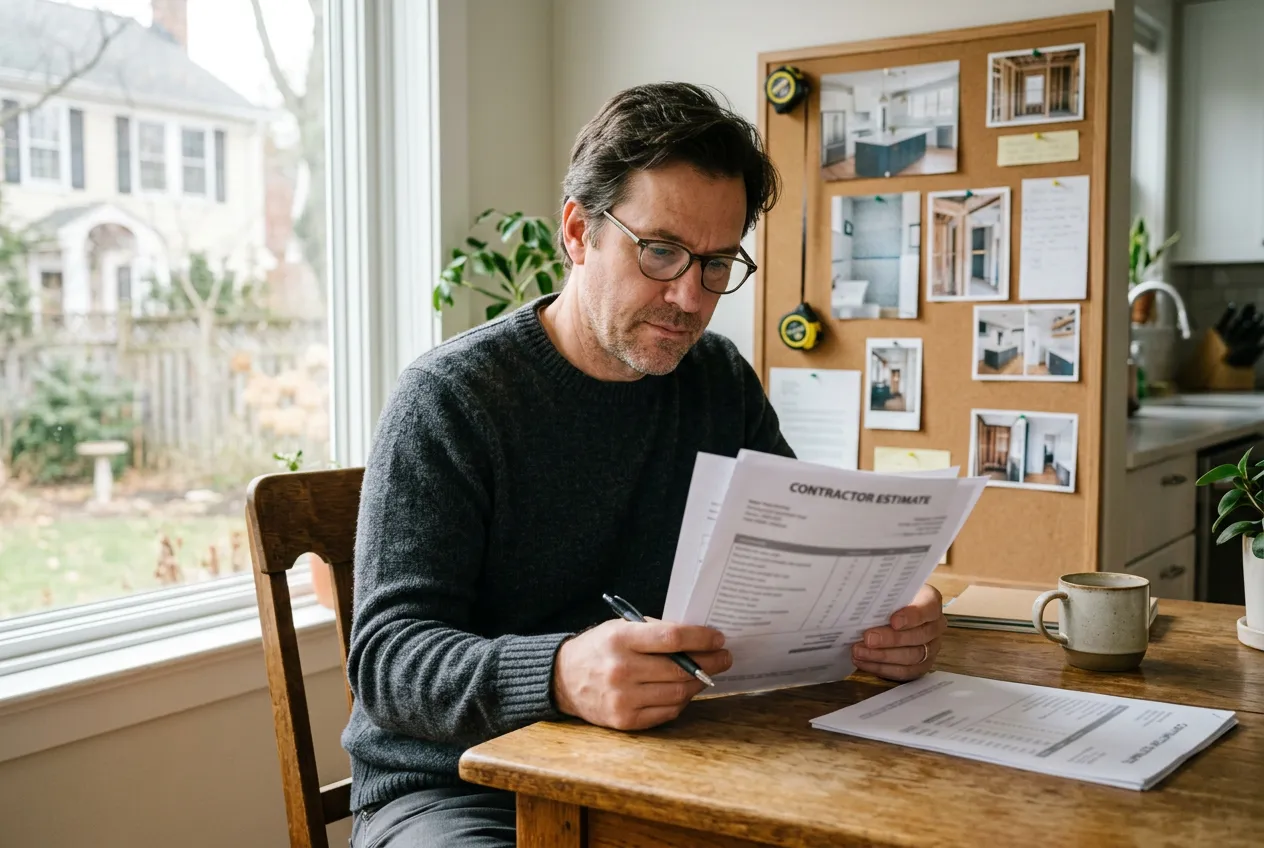
A good quote comes down to seven checks, and ten minutes is enough to do them. In Luxembourg, the difference between 3% and 17% VAT alone weighs 14 points on the invoice, and too high a deposit can close the door to Klimabonus prefinancing. Here, point by point, is what a serious quote must contain and what should make you look up from the page.
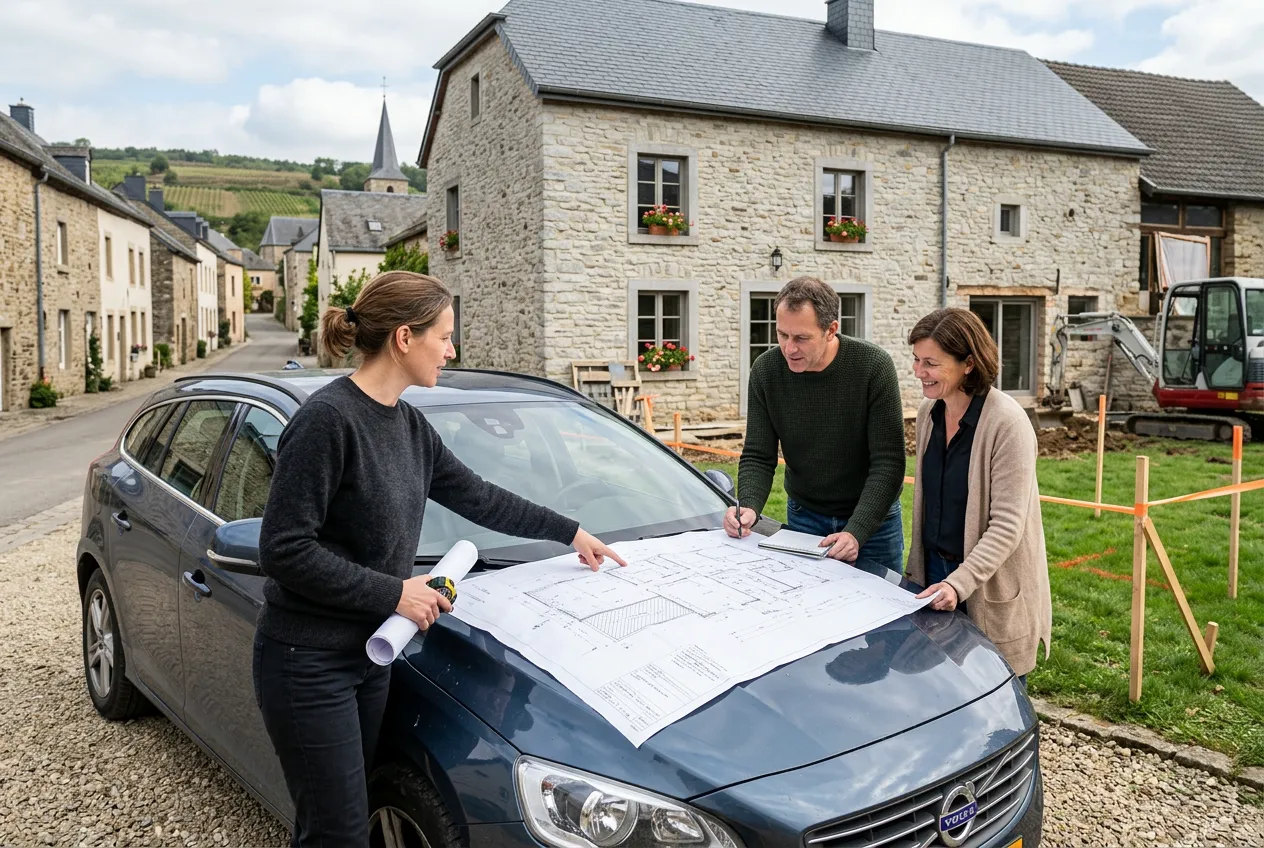
In Luxembourg, almost anything that changes the outside of a house goes through the mayor: extension, facade, roof, often the windows, the garden shed and even the heat pump. The law sets the principle, then each of the 100 municipalities sets the details in its building regulations. Building without a permit can cost up to €125,000 in fines, and the court can order demolition. Here is how to find out, before signing a quote, whether your project is concerned.
In Luxembourg, renovation works on a home at least 10 years old, used as a main residence, can be invoiced at 3% VAT instead of 17%. On €40,000 of works excluding VAT, that is €5,600 saved, within a limit of €50,000 of benefit per dwelling. You still have to take the right step at the right time, which means before the first hammer blow.
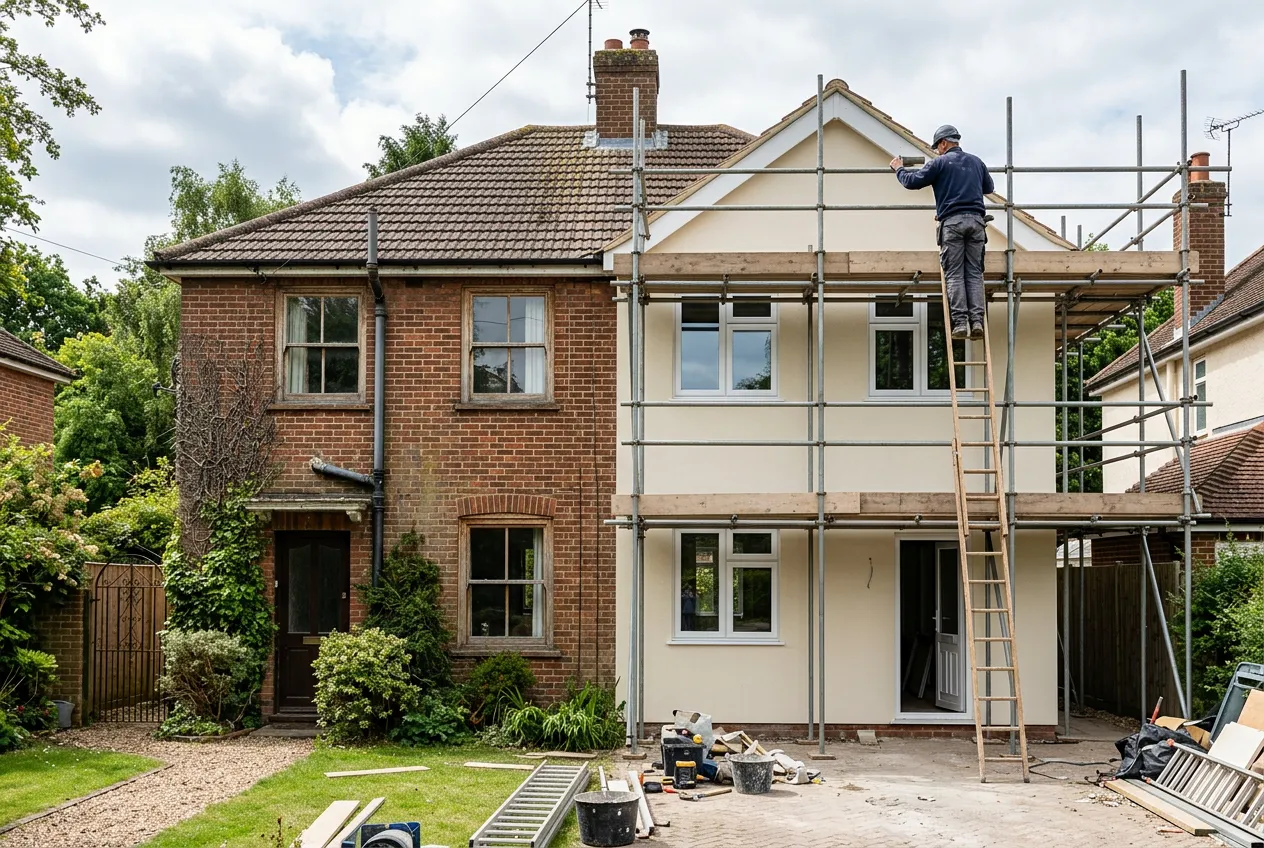
The State pays the same per insulated m² whether you renovate everything in one year or in five. What changes is the bonus: up to 50% more on the whole envelope if the house gains at least two energy classes, and you need an energy advice to be entitled to it. Without an adviser, Klimabonus 2026 funds only one element, once. On a 1975 house, the gap between the two approaches exceeds €30,000. Here is the calculation.
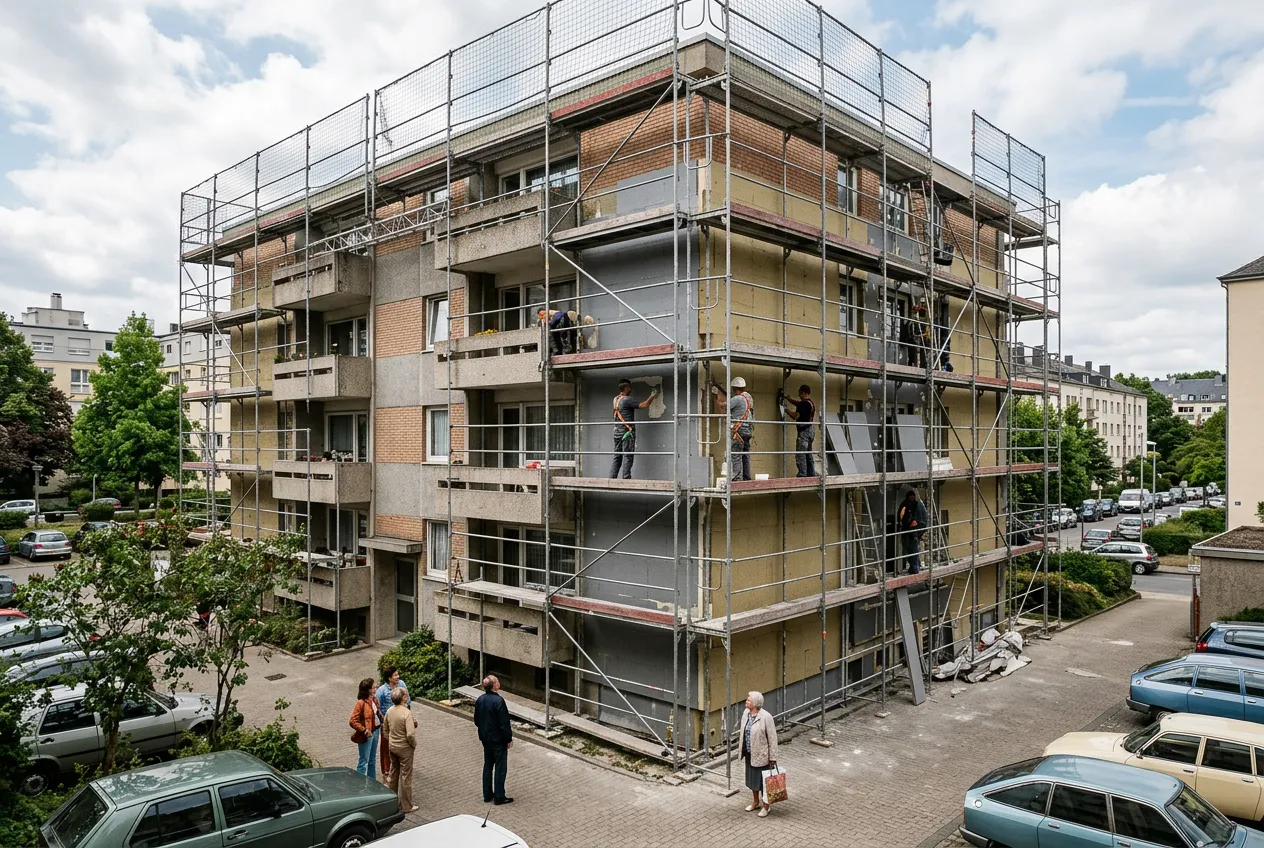
Yes, a co-ownership is entitled to the same Klimabonus 2026 grants as a house: up to €140 per m² of facade insulated with an ecological material, €80 per m² of windows, and a 20 to 50% bonus if the building gains at least two energy classes. The difference lies in the decision. Since the law of 30 June 2022, energy renovation works are voted by a majority of the votes of all co-owners, and the mandatory works fund is there to pay for them. Here is how to get the project through without losing two years and a few neighbours.

Yes, an owner who lets their property is entitled to Klimabonus 2026: €12,000 for an air-to-water heat pump replacing a fossil boiler, €5,742 for 6 kWp of solar, the insulation grants per m² and 3% VAT if the tenant lives there. Only the social top-up, the Klimaprêt and the old-housing improvement grant remain reserved for occupiers. Here is how to renovate a rented home without leaving money on the table.
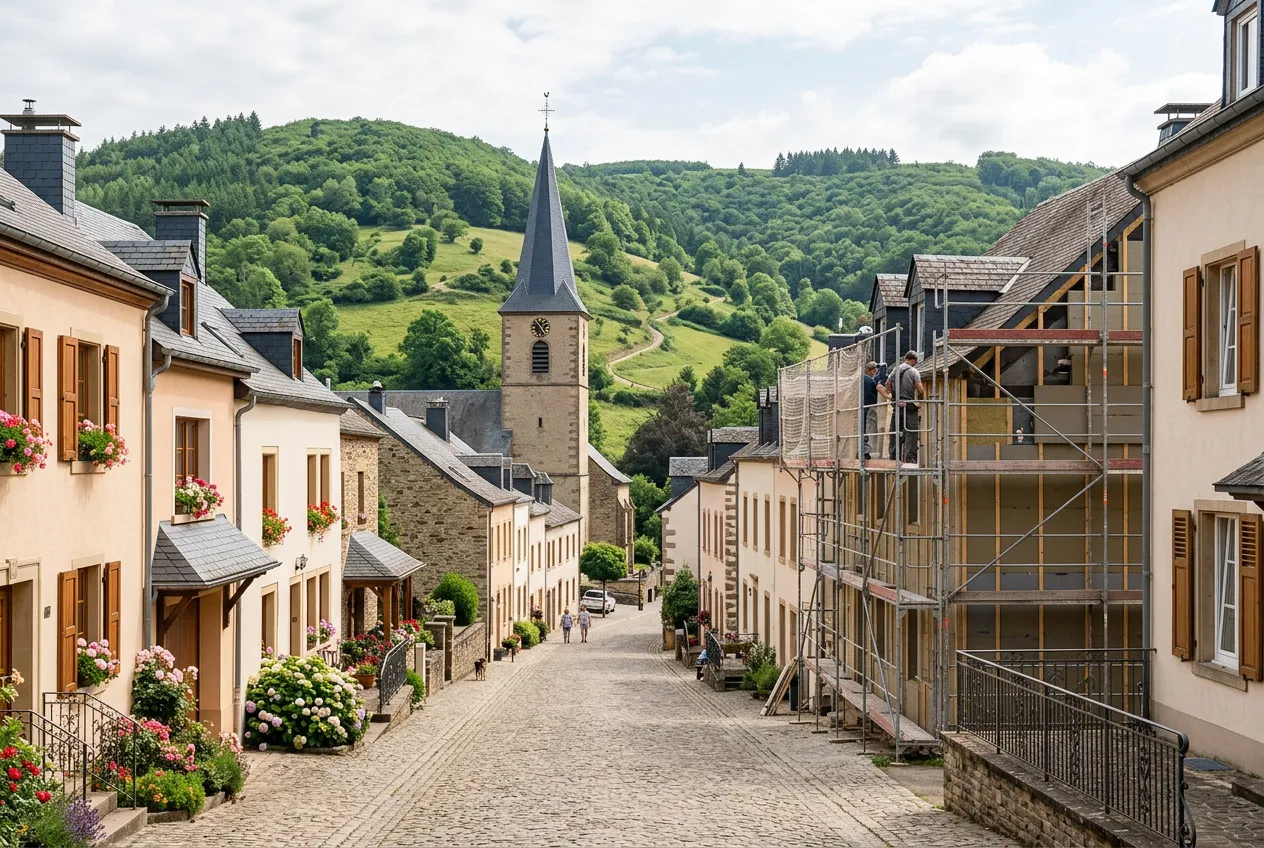
Most Luxembourg communes add their own subsidy to the State's Klimabonus grant, usually 10 to 50% of the State amount. For a 6 kWp solar installation, that means €574 in Esch-sur-Alzette, €1,723 in Strassen and €2,871 in Luxembourg City or Differdange. Here is who pays what, on which conditions, and how not to miss out.

Yes, a balcony solar kit is allowed in Luxembourg, with an inverter limited to 799 W per dwelling. No, it no longer qualifies for the Klimabonus grant in 2026, which requires at least 2 kW. And yes, it can pay off: a €300 to €700 kit saves in the order of €60 to €100 of electricity a year, provided it is placed in the right spot.
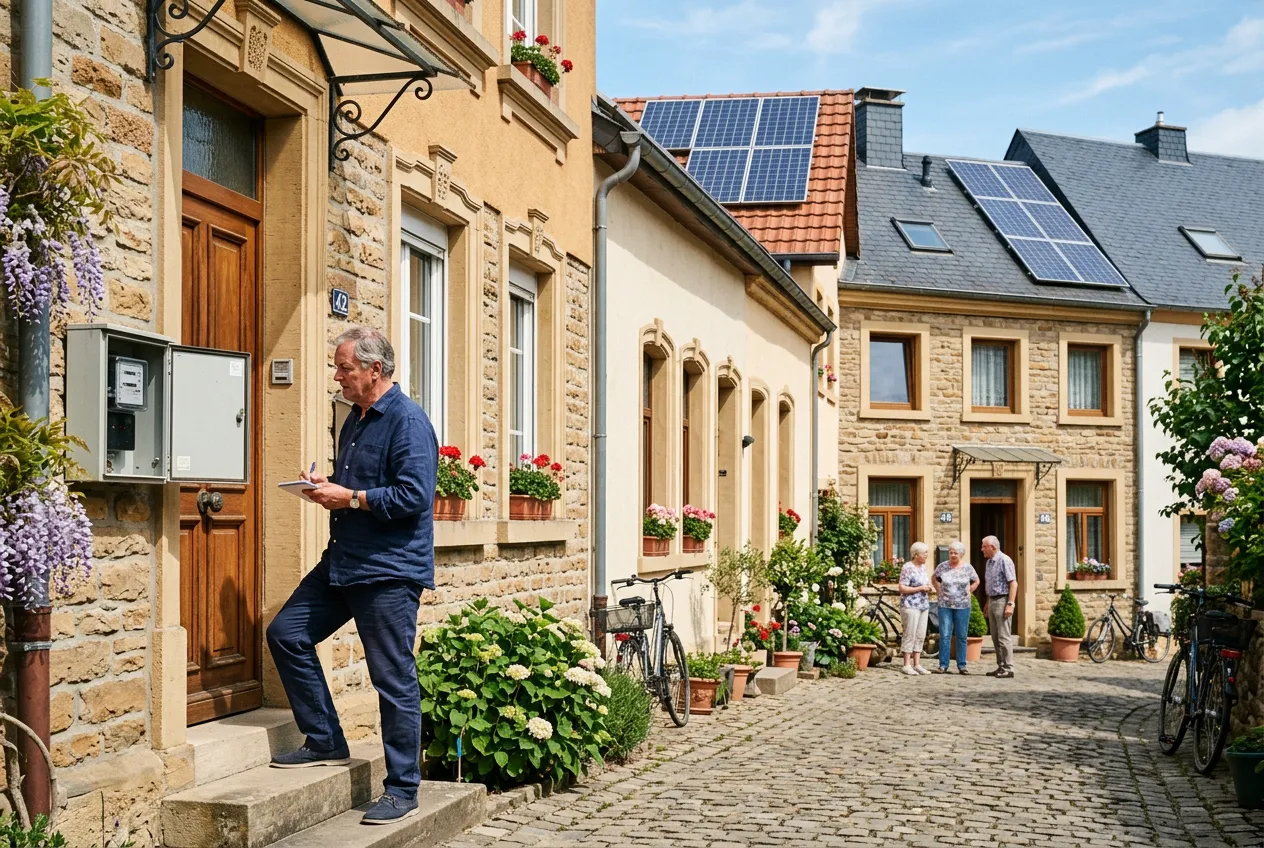
In Luxembourg, no meter runs backwards: every kWh fed in is sold separately, every kWh drawn is bought separately. Under Klimabonus 2026, your solar surplus is sold at market price, in the order of a few cents per kWh, while each kWh you buy costs around 22 cents in variable charges. So the right question is not "how much does my surplus earn?" but "how can I use or share as much of it as possible?".
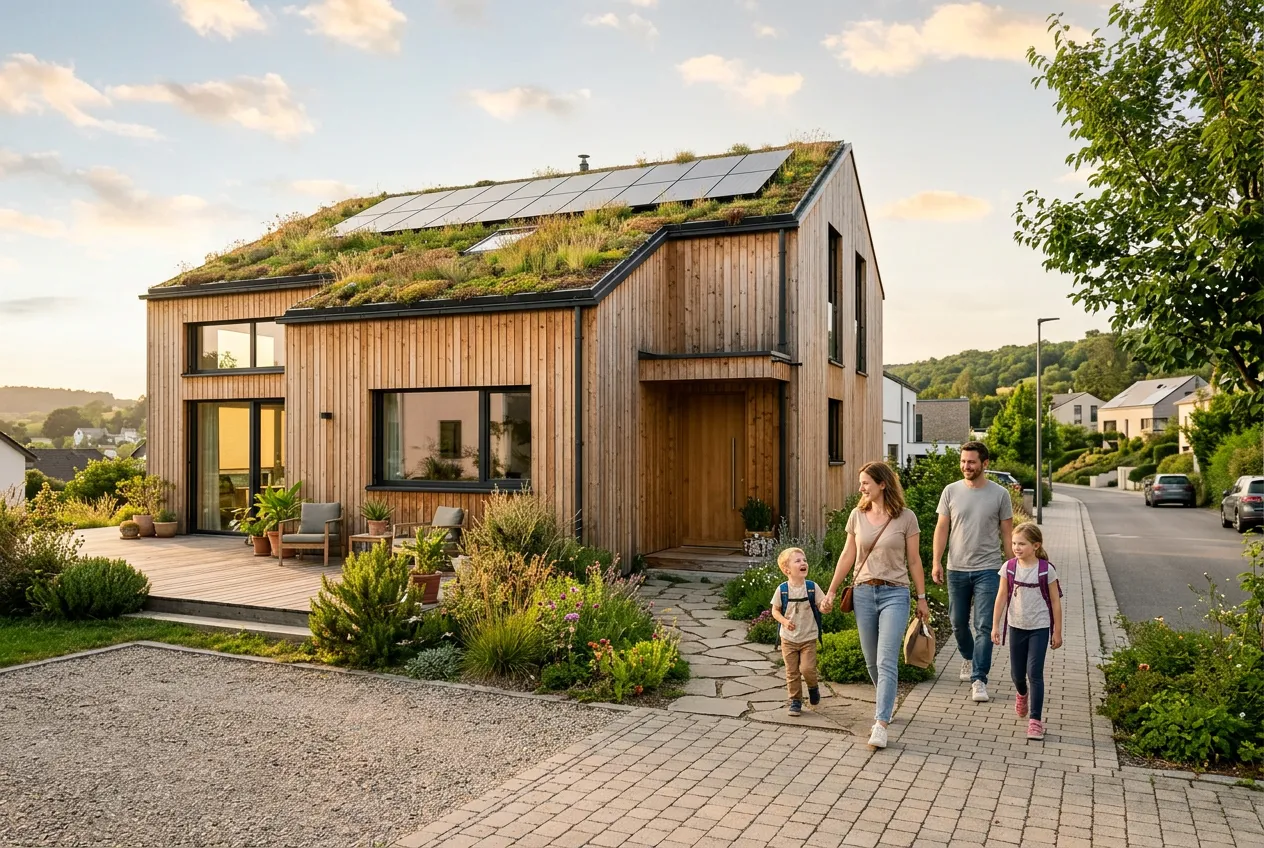
LENOZ is Luxembourg's sustainability certification for homes: voluntary in itself, but essential to receive the sustainable construction grant, which can reach €24,000 for a new house. In November 2026, that door is still open for a building permit applied for by 31 December 2026 at the latest. Here is what LENOZ assesses, what it costs and what it is really worth.
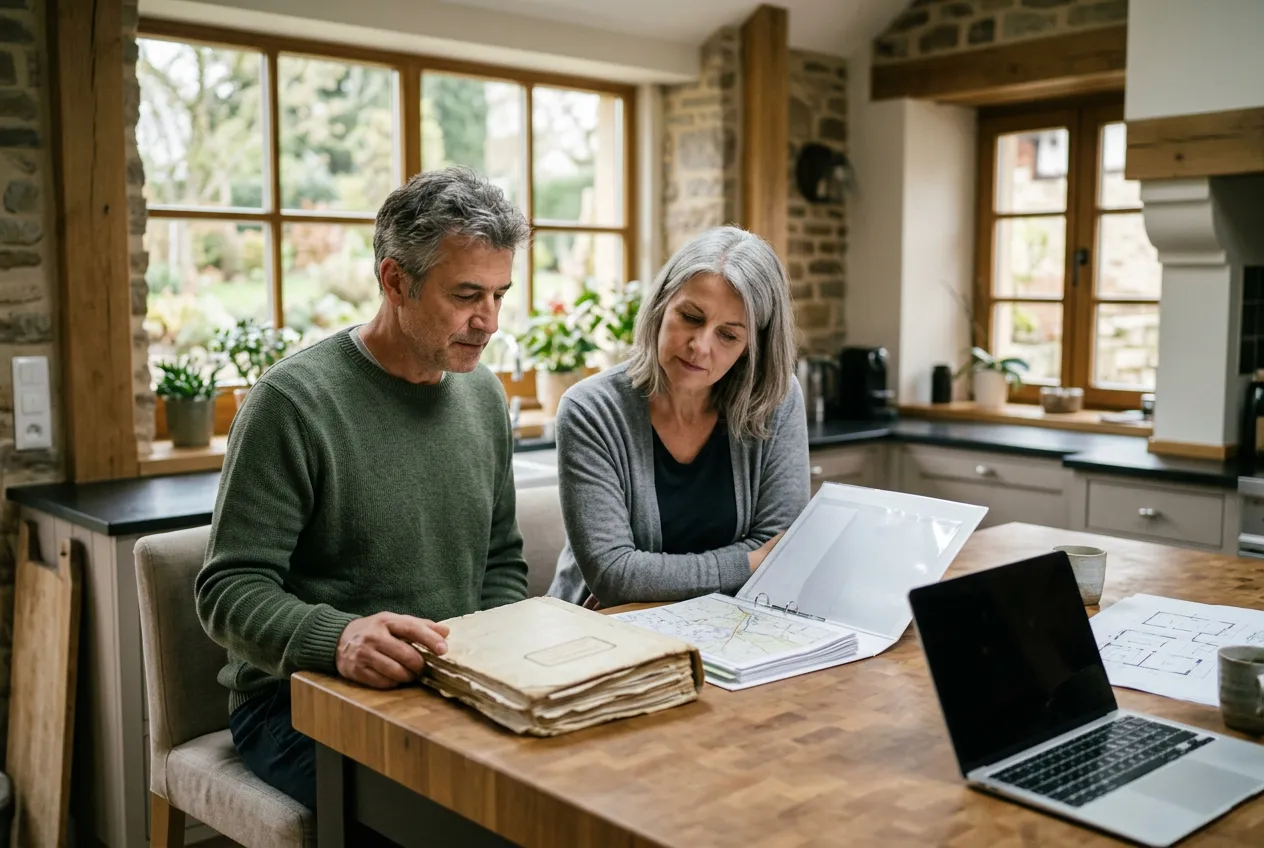
Luxembourg has changed its grant scheme three times in ten years: PRIMe House from 2017 to 2021, the Klimabonus from 2022, and the Klimabonus Wunnen 2026-2030 since 1 January 2026. At each step, the amounts went up: an air-to-water heat pump goes from 50% of costs capped at €5,000 in 2022 to a flat €12,000 in 2026, ecological roof insulation from €70 to €140 per m². Here is what has changed, what has not moved and what you must do if your file started under the old scheme.
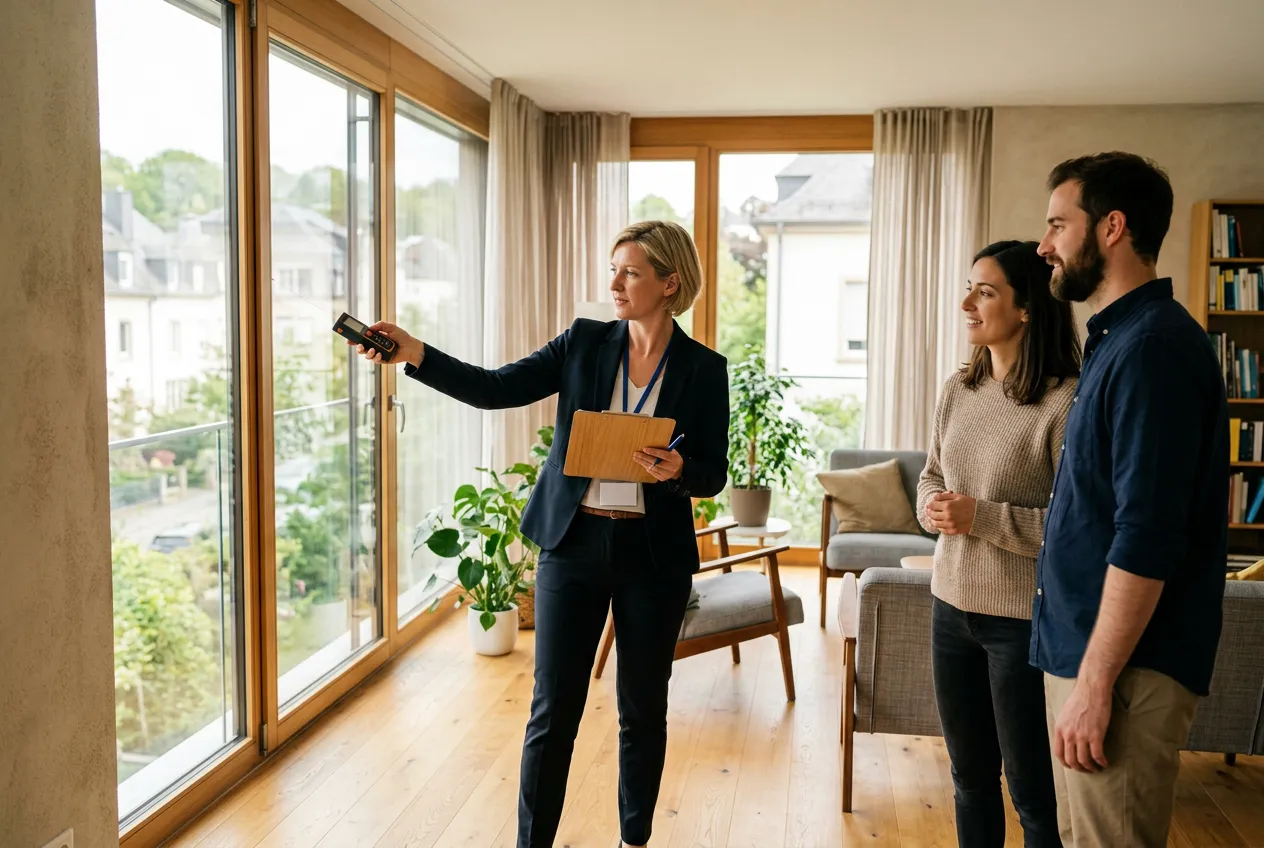
An energy performance certificate, the well-known Energiepass, costs in the order of €400 to €700 for a detached house and stays valid for 10 years. It becomes mandatory as soon as you sell or rent out a home that does not have a valid one, and its classes must appear in the listing. Here is what it measures, what it really costs and how to turn it into a selling point rather than a chore.
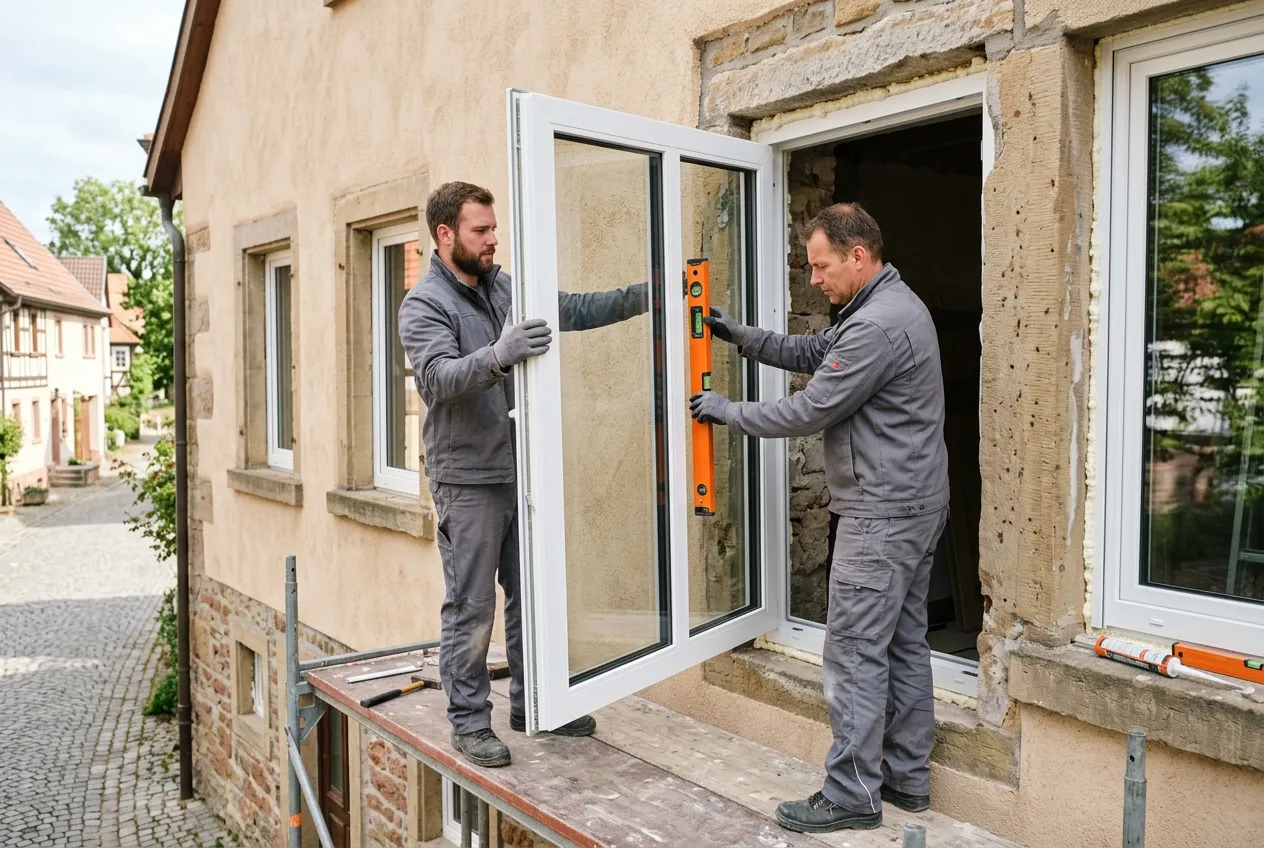
Klimabonus 2026 pays €70 per square metre of replaced window or French window, and €80 if you file your request for approval in principle before 30 June 2027. For a house with 20 m² of windows, that is €1,400 to €1,600, on a job that often costs €15,000 to €25,000. The grant is modest, but the conditions are precise, and one of them sinks many applications.
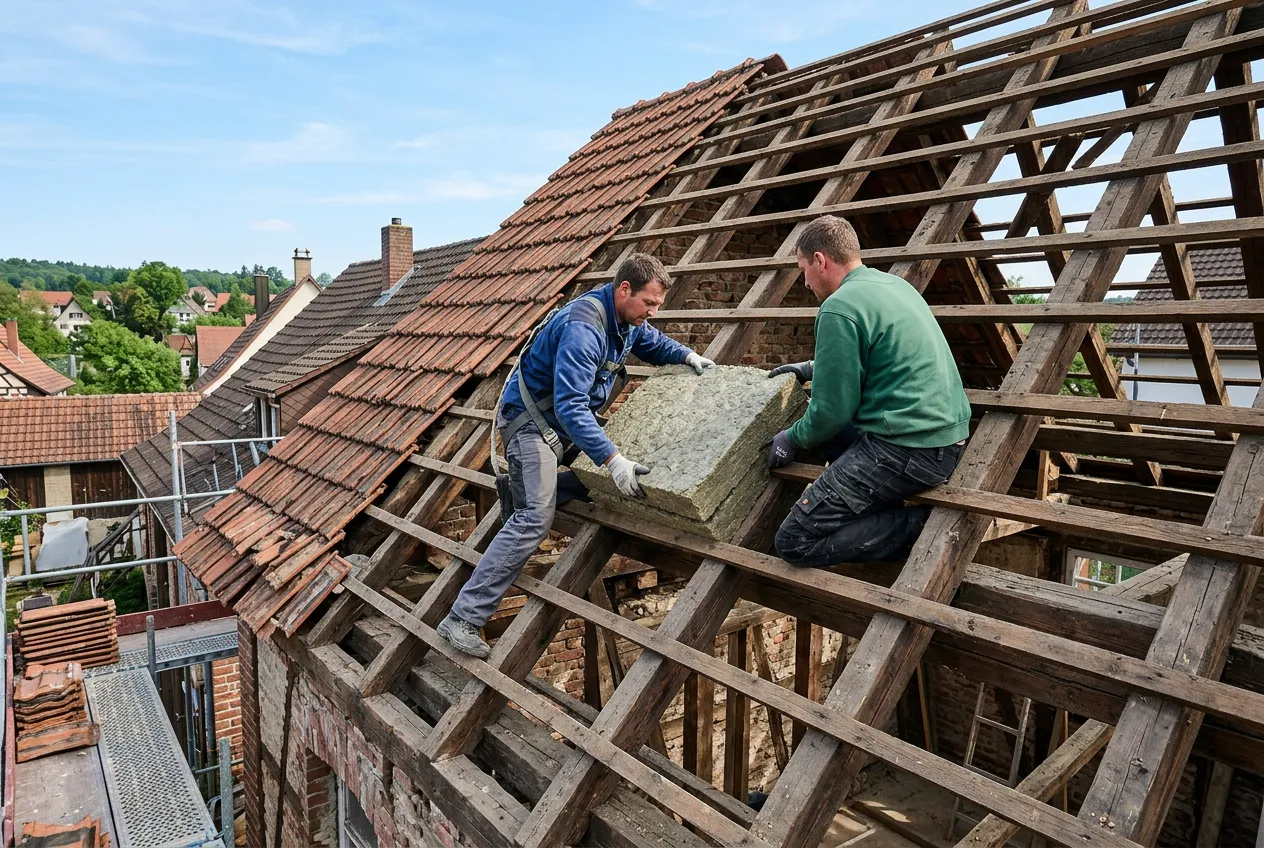
Insulating a pitched roof costs on the order of €70 to €120 per m² from the inside and €150 to €250 per m² from the outside in Luxembourg in 2026. The Klimabonus 2026 refunds €35 to €115 per m² depending on material and performance, and up to €140 per m² at the increased rate if you file your request before 30 June 2027. Insulating the floor of an unheated attic costs three times less and pays for itself in under ten years. Here are the prices, the exact conditions and the calculation that matters.
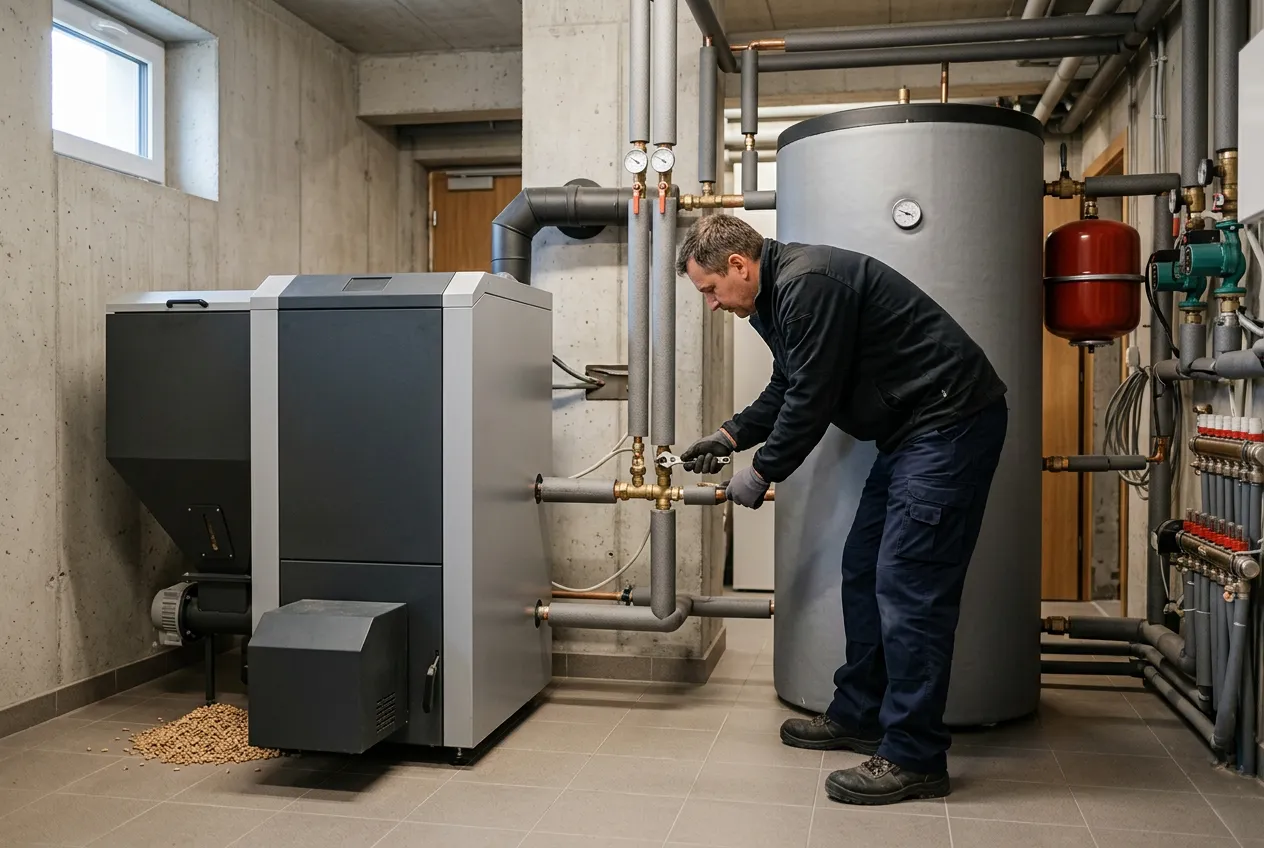
Klimabonus 2026 pays €12,000 for an air-to-water heat pump replacing a fossil boiler, €14,000 for a geothermal system, €8,000 for a pellet boiler, €8,000 for a connection to a heating network and up to €4,000 for solar thermal. The amounts are flat rates and only one heating grant is possible per dwelling. Here is how they compare, in euros of grant and in cents per kWh of heat.
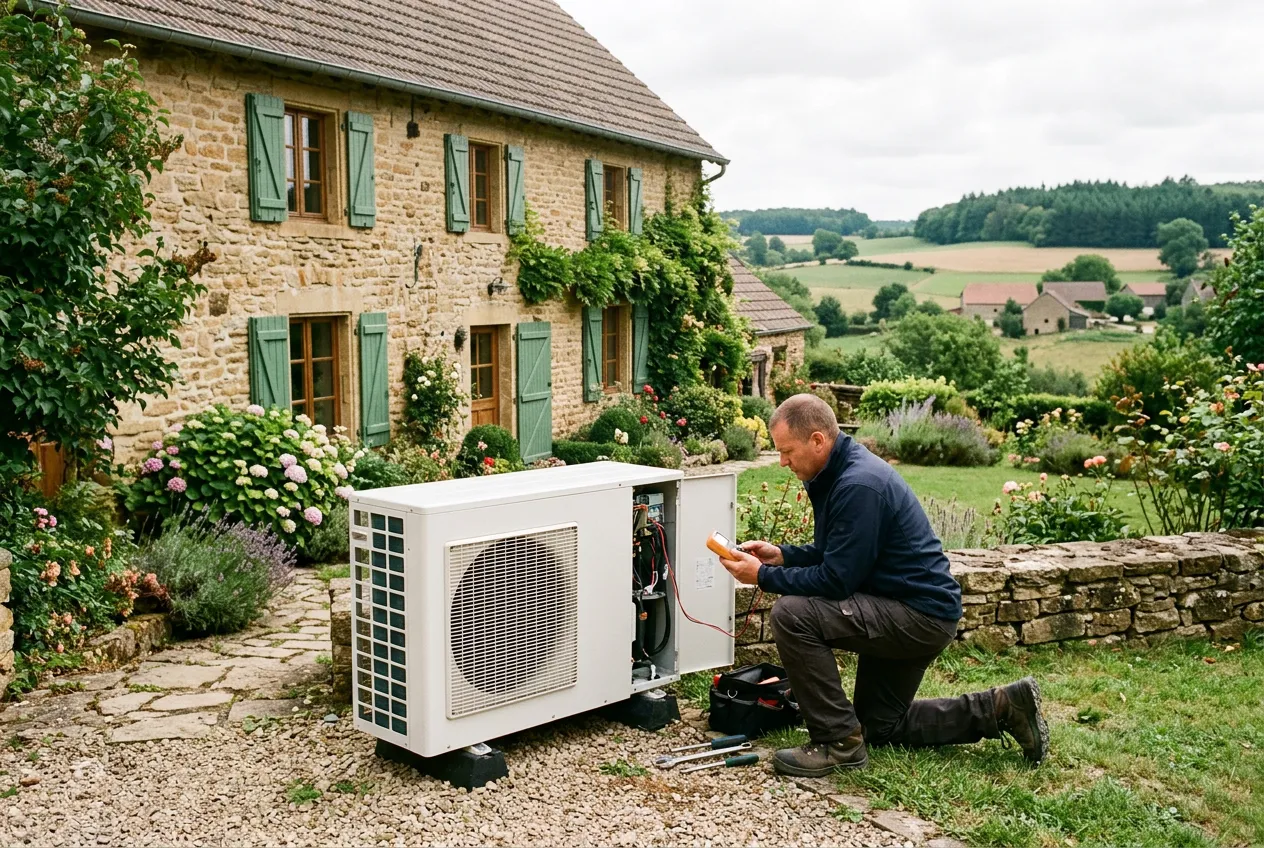
Yes, a heat pump works in most Luxembourg houses built before 1990, on one condition: your radiators must heat the house with water at 50 °C or less in a cold snap. A free one-winter test tells you. The Klimabonus 2026 grant reaches €10,000 for an air-to-water heat pump replacing a gas or oil boiler, €12,000 if you order before 30 June 2027. Here is how to know whether your house is ready, and what to do when it is not.
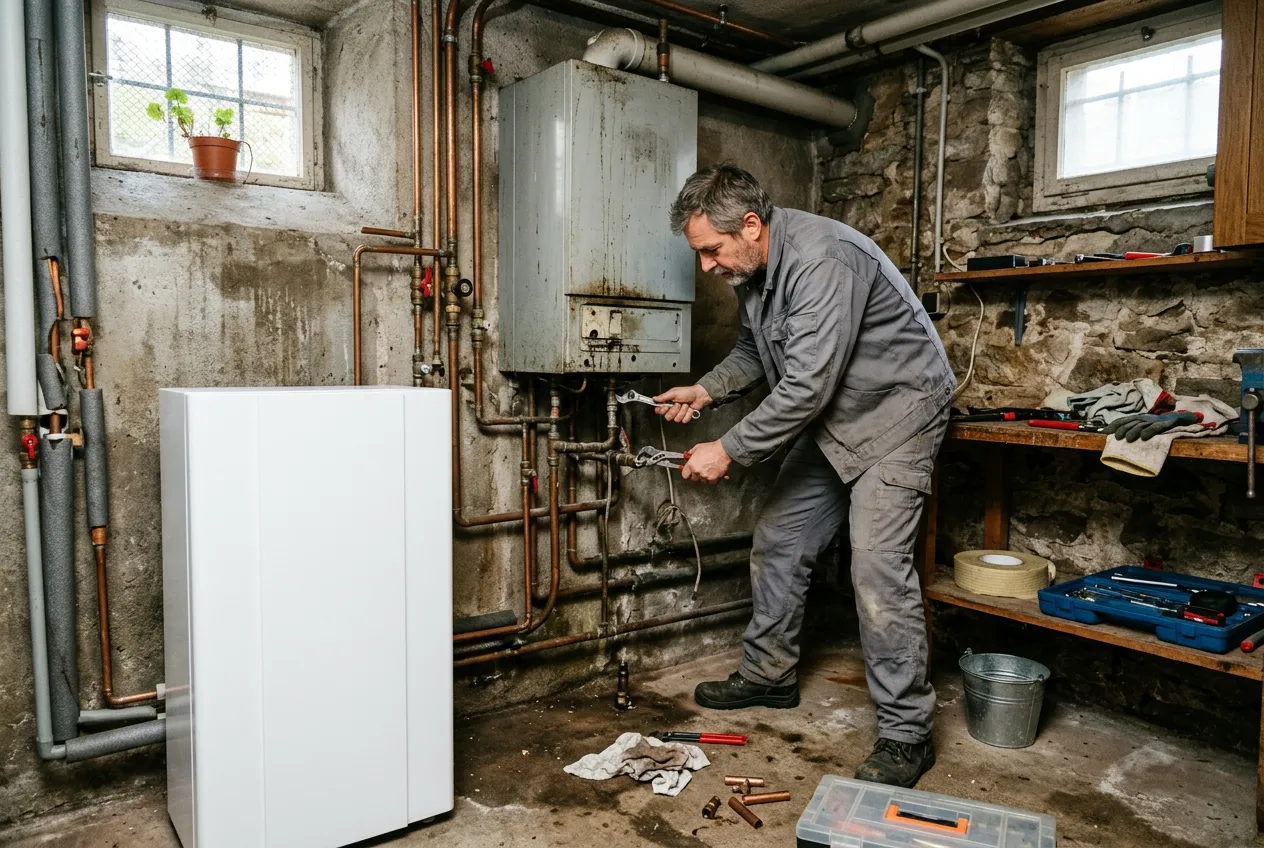
In Luxembourg, nothing yet stops you from replacing a gas boiler with another one in an existing house. But the State no longer pays a cent for it, the CO2 tax rose to €45 per tonne on 1 January 2026, and a heat pump that takes your boiler's place earns €10,000 of Klimabonus, €12,000 if you order it before 30 June 2027. Here are the rules, the amounts and the timeline.
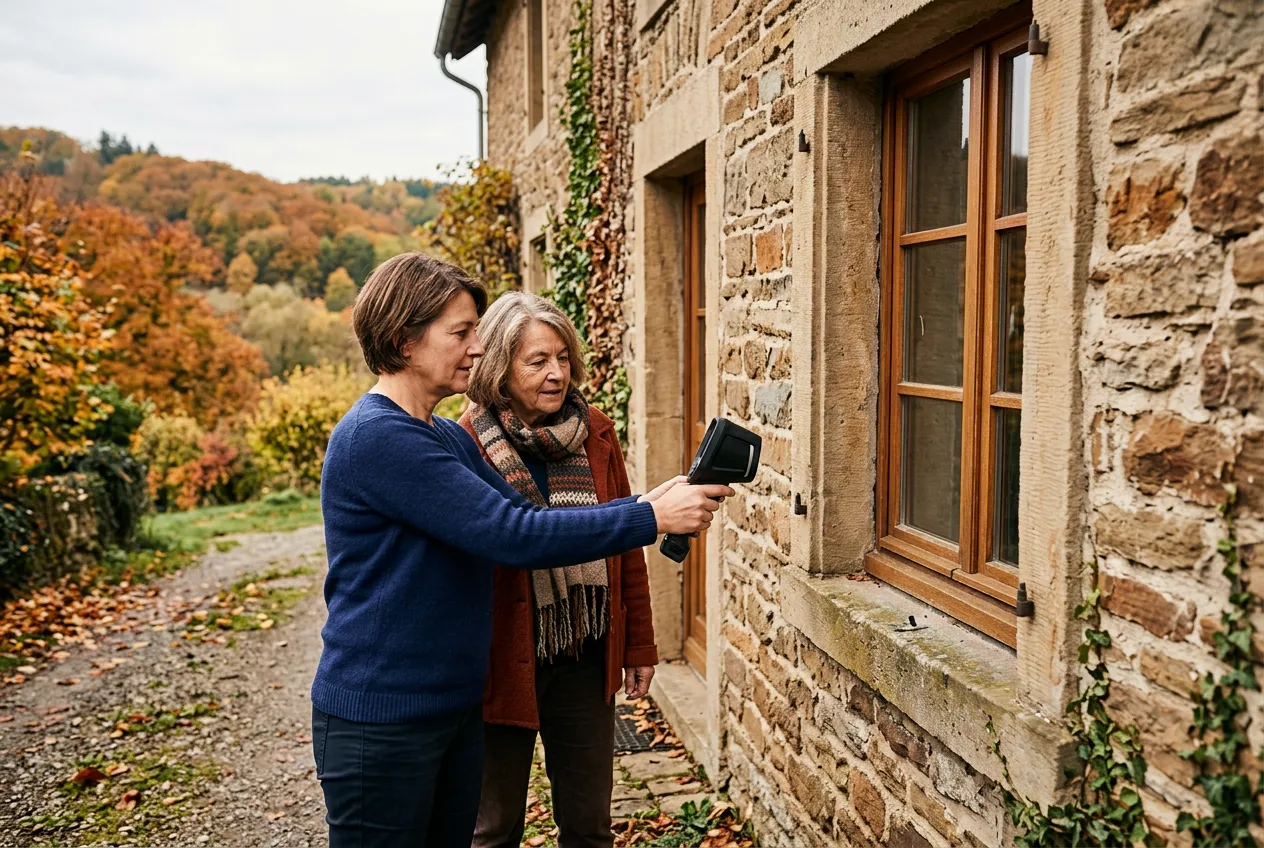
Since the Klimabonus 2026 scheme, energy advice is no longer mandatory to insulate or replace windows: an approved company can carry the file. But the State refunds it up to €2,000 for a house, and it alone opens the energy-class bonus of 20 to 50% on the grants. In other words, it is often free and often profitable. Here is when you need an accredited adviser, what it costs and what it brings.
The Klima-Prêt is not a loan from the State: it is an ordinary bank loan on which the State pays part of the interest, up to 1.5 points and up to 10% of the borrowed capital, on a maximum of €100,000 and for 15 years. On a €60,000 loan, that is about €6,000 of interest covered. And if your bank asks for guarantees you do not have, the State can stand surety for up to €50,000. Here is how it works, who qualifies and the traps to avoid.
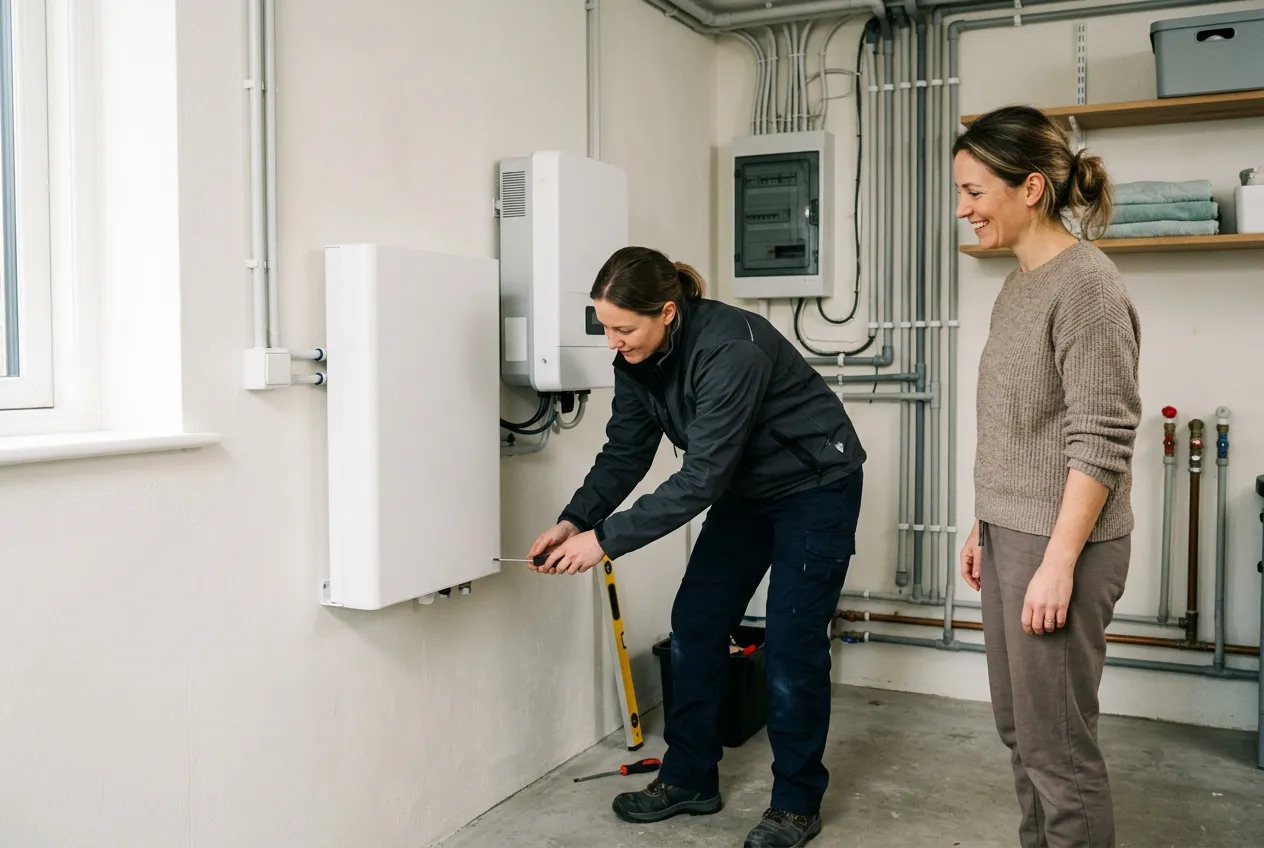
In Luxembourg, the Klimabonus 2026 pays €1,806 for a home battery with 5 kWh of usable capacity, and €2,250 at most from 9 kWh. For a 5 kWh battery, that covers roughly 40 to 50% of the price. Whether the rest pays off depends less on the grant than on your daily routine. Here are the formula, the conditions, the prices and the honest maths.
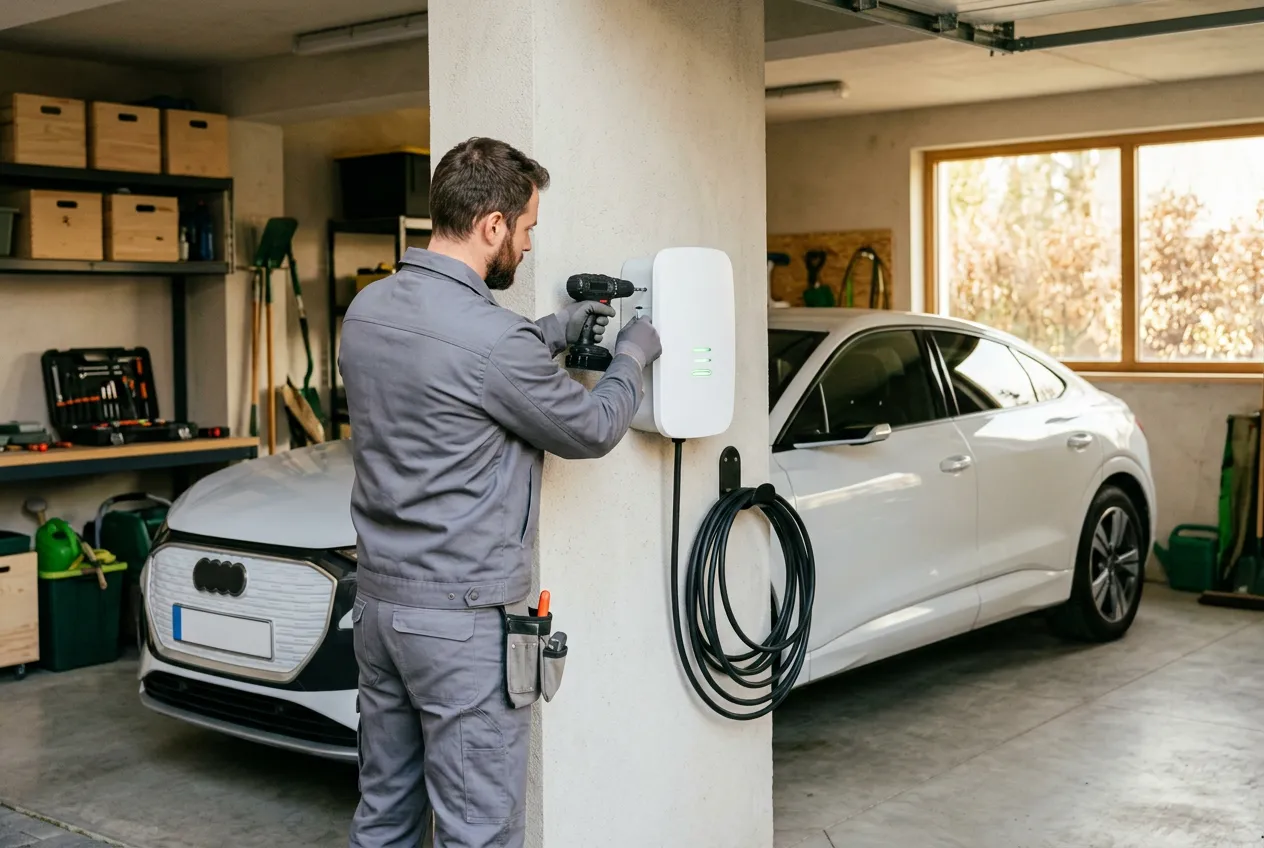
An 11 kW wall charger installed in the garage of a house usually costs between €1,500 and €3,000 incl. VAT in Luxembourg. The State refunds 50% of the price excluding VAT, up to €1,200 for a smart charging point, and even €1,400 for certain models invoiced before the end of 2026. Here is how to choose, install and avoid leaving €450 of grant on the table.
In 2026, the Luxembourg State refunds a large share of an energy renovation: up to €140 per m² of ecological insulation, €12,000 for a heat pump replacing a fossil boiler, €2,000 for energy advice, plus a 20 to 50% bonus if your house gains two classes. For a 1980s house renovated completely, the aid often exceeds €50,000. Here is the list item by item, with the conditions that make the difference.
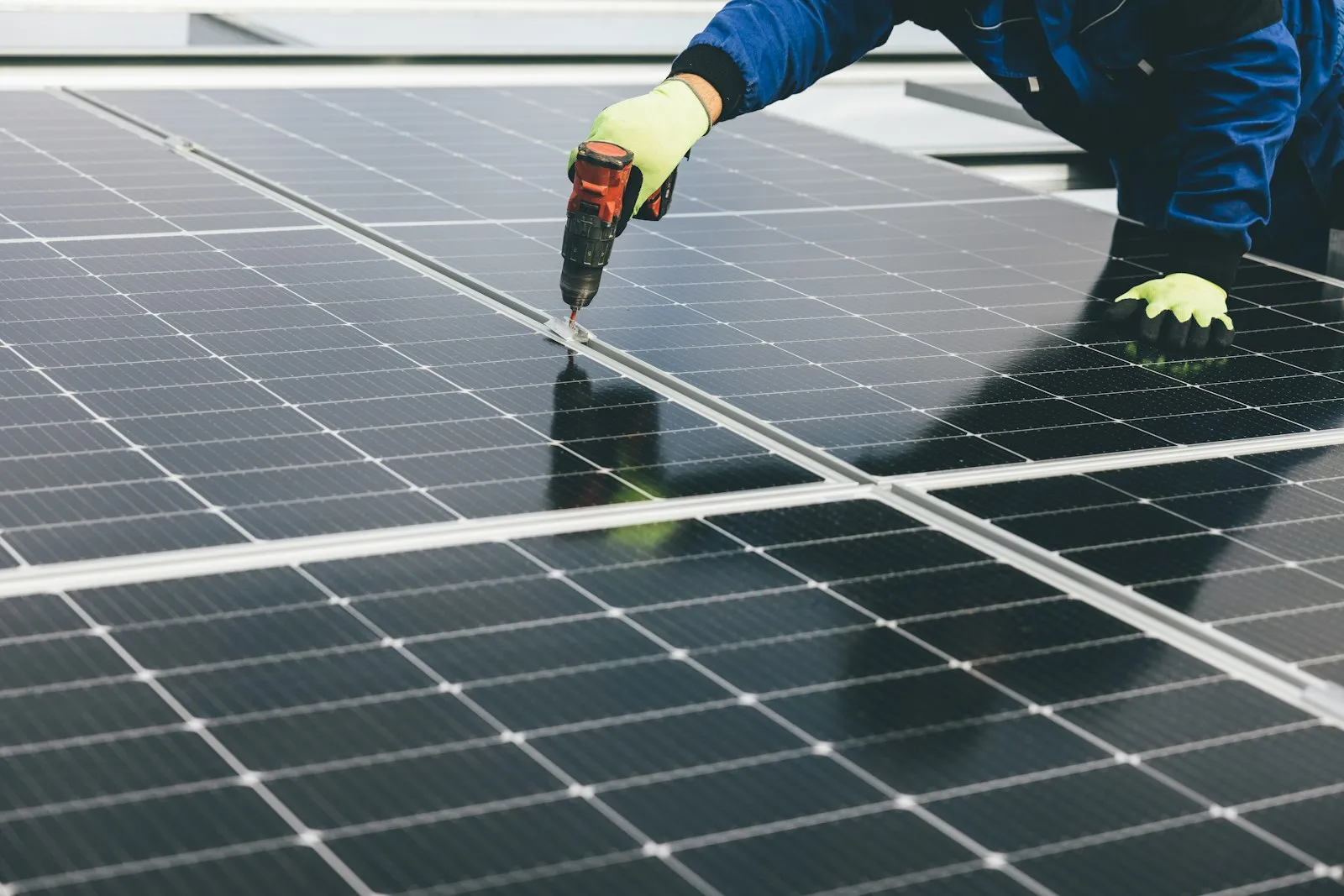
A 6 kWp solar installation, the most common size on a family home, costs between €10,500 and €13,500 incl. VAT installed in Luxembourg in 2026. After the €5,742 Klimabonus grant, €4,750 to €7,750 is left for you to pay. Here is what that price contains, why it can double from one quote to the next, and how to avoid overpaying.
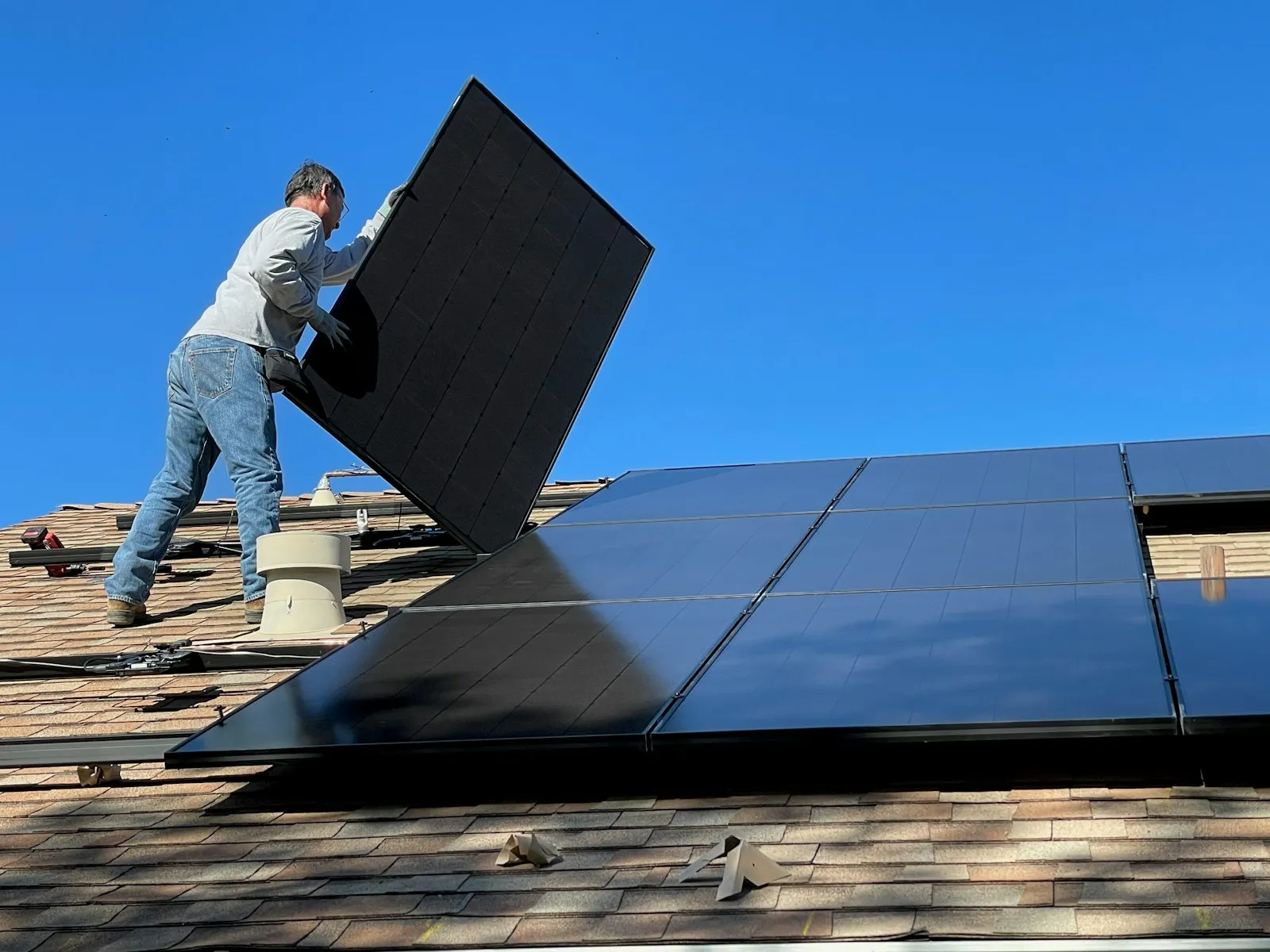
A 6 kWp photovoltaic system costs about €12,000 in Luxembourg. After the 2026 Klimabonus grant of €5,742, €6,258 remains to be recovered, and the electricity savings pay it back in 9 to 11 years. Over 20 years, the net gain without a battery is between €4,000 and €6,000. Here is the full calculation, assumption by assumption, and what tips it one way or the other.
A self-consumption photovoltaic system qualifies in 2026 for a Klimabonus grant of €2,178 for 2 kWp up to €10,000 from 15 kWp, plus a maximum of €2,250 for a battery. For a family home with 6 kWp, count on €5,742. Here are the exact amounts, the conditions, the choice between grant and feed-in tariff, and the procedure on MyGuichet.lu.
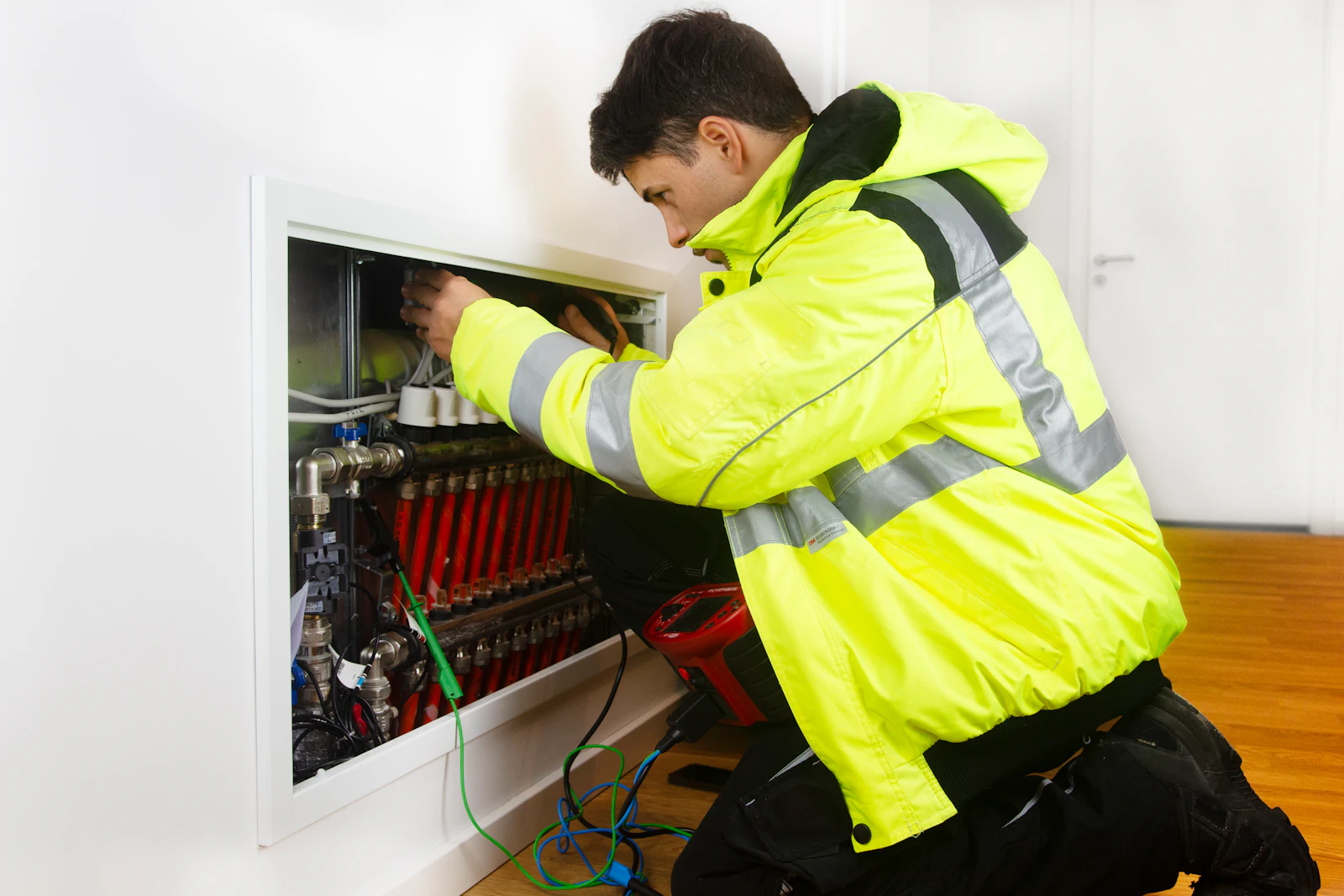
A heat pump installed in an existing house in Luxembourg qualifies for a Klimabonus grant of €6,000 to €12,000, plus €2,000 if you order it before 30 June 2027. No prior application: you install, then you file the application on MyGuichet.lu. Here are the exact figures, the conditions and the steps to follow.
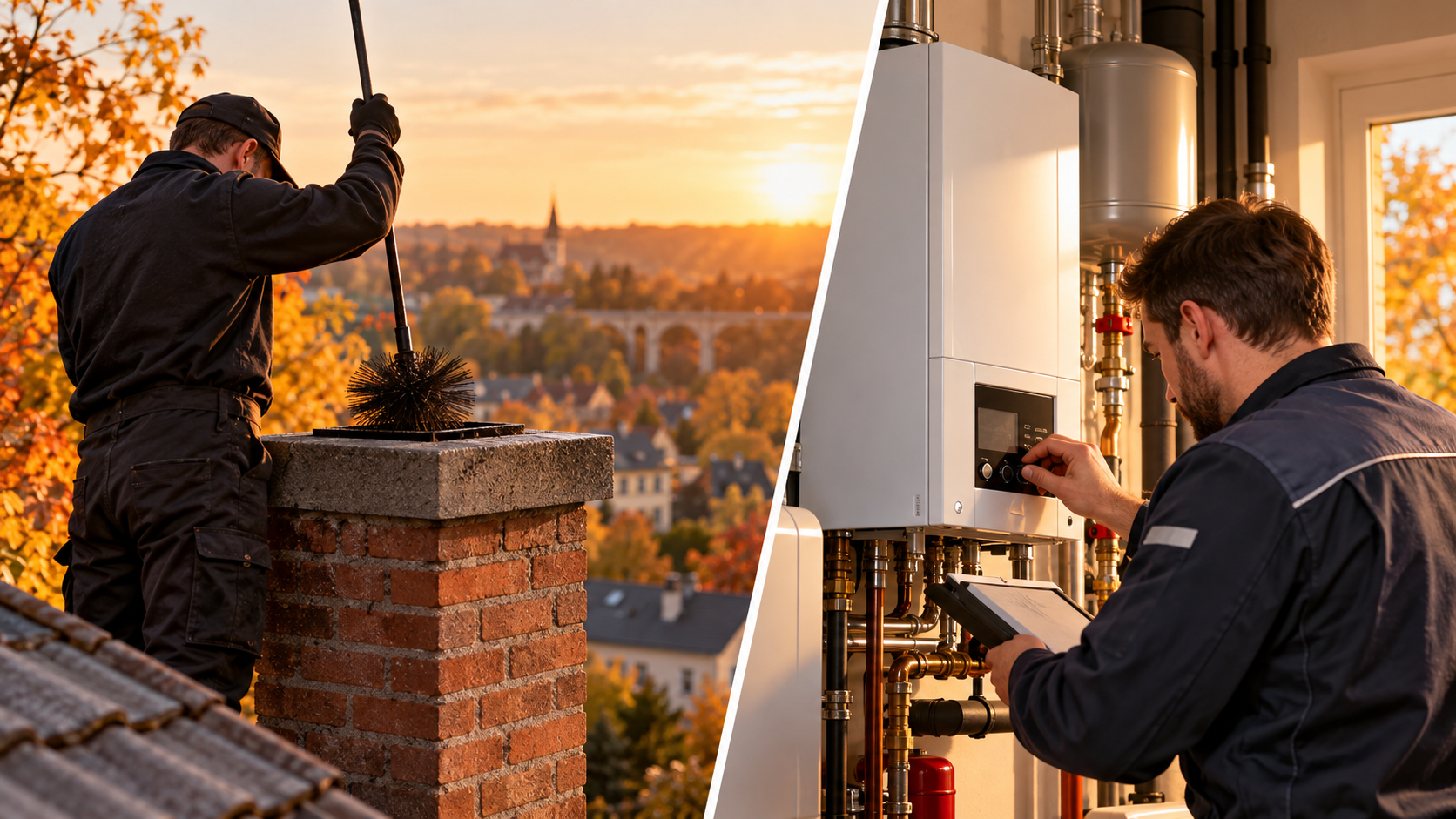
What they fix, what they don't replace, the mandatory inspections in Luxembourg and the right time to act.
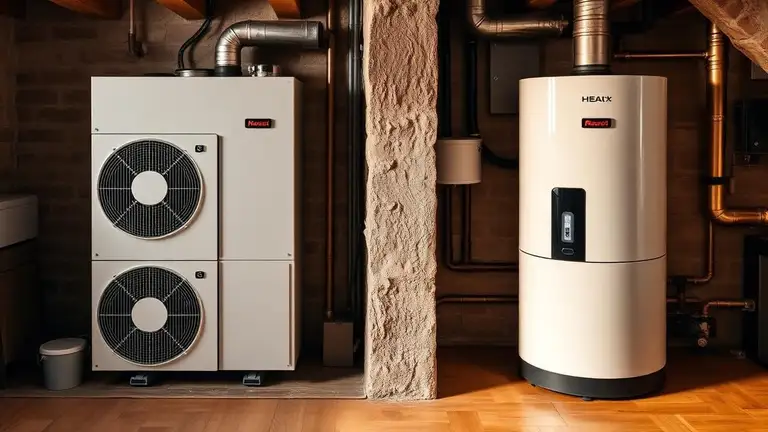
Replacing your boiler or building a new home in the Grand Duchy and hesitating between a heat pump and a gas boiler? Installation cost, Klimabonus 2026 subsidies, running costs, carbon footprint and 15-year ROI, the full comparison, calibrated for Luxembourg.

A website, a CRM and AI tools reduce your carbon footprint, and the Luxembourg State reimburses 70% of the cost via the SME Packages Digital, up to €17,500 per company. Here's how to benefit, and why it's also the fastest way to capture energy renovation projects.

Luxembourg's Ministry of the Economy reimburses 70% of the eligible costs of a sustainability project between €3,000 and €25,000 excl. VAT, up to €17,500 in aid. Here's how the programme works, who qualifies and how Vert.lu helps you find the right provider.
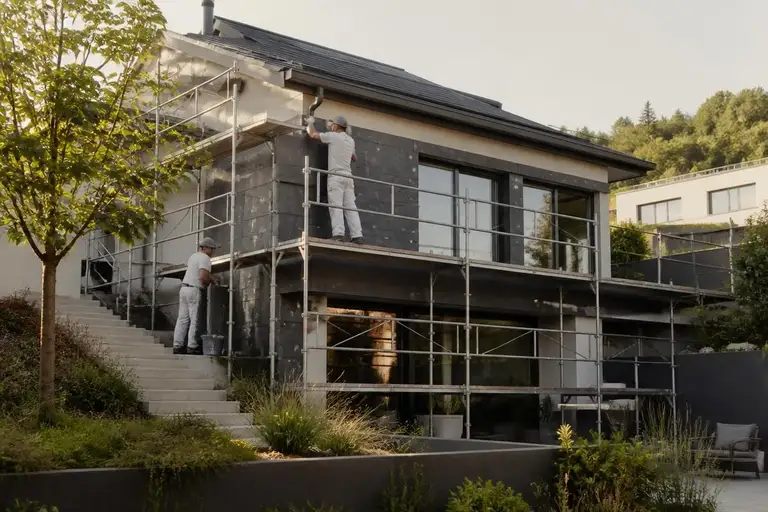
The Luxembourg government is actively promoting the energy transition, and homeowners are at the forefront of making this ambition a reality. Thanks to the "Klimabonus" subsidy program, transforming your home into a more energy-efficient and sustainable building is now more accessible. This article guides you through the key concepts of subsidized energy renovation in Luxembourg, helping you to see your project more clearly and make the best choices for your wallet and the planet.
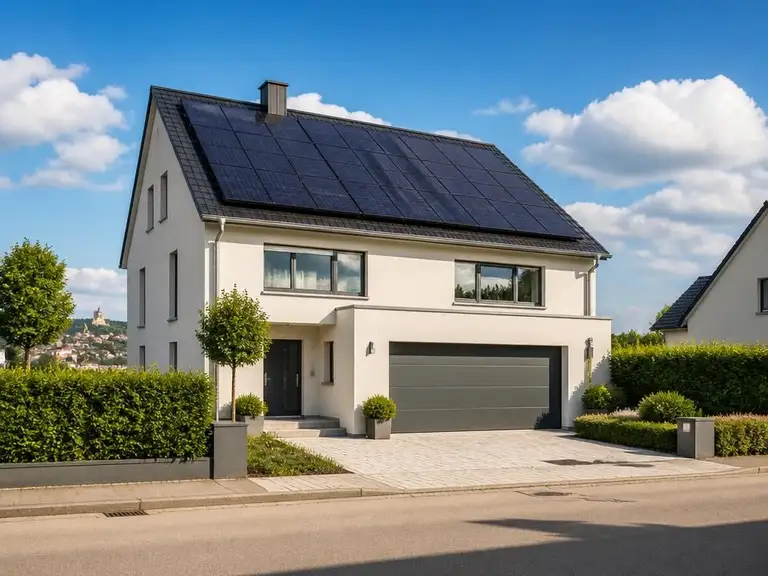
Klimabonus is Luxembourg's flagship subsidy scheme for residential energy renovation and renewable energy. The 2026 edition confirms the increased amounts introduced in 2023 and clarifies the fully digital application process on MyGuichet.lu. This guide details the subsidies per technology (PV, battery, heat pump, solar thermal, insulation, ventilation, EV charger), eligibility criteria, the step-by-step MyGuichet.lu procedure and the most common mistakes to avoid.
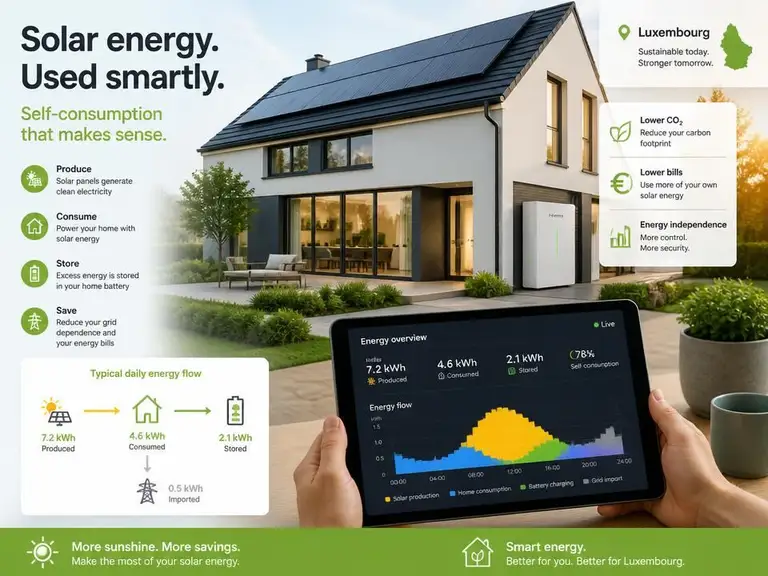
The installer makes or breaks a solar project: they size the system, stand behind the mounting work and usually prepare the Klimabonus file. Here are the checks to run, the classic pitfalls and the questions to ask before signing in the Grand Duchy.
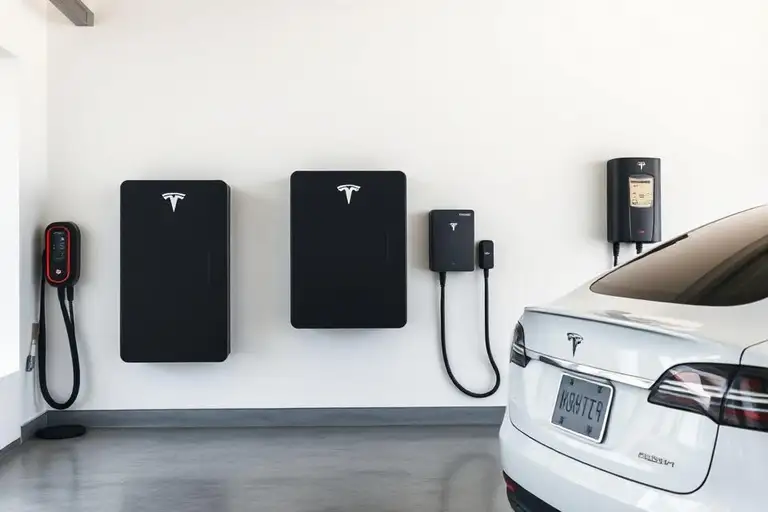
With Klimabonus support and electricity around €0.25/kWh, a home battery in Luxembourg has moved from comfort accessory to an investment you can actually compute. Here is how it works, the typical figures, the payback calculation and the cases where storage does not pay for itself.
Contents
All articles, by topic
The 38 published articles, sorted by topic.
Grants & subsidies · 16
- Energy grants for cross-border workers: who qualifies in Luxembourg?
- 3% VAT on renovation works: who is entitled
- Energy grants for landlords: renovating a rented property
- Municipal renovation grants: which commune pays what
- LENOZ certification: what is it and how much does it pay?
- PRIMe House versus Klimabonus: what has changed, what remains
- High-performance window grant in Luxembourg: conditions and amount
- Renewable heating grants: heat pump, biomass and solar thermal compared
- Klimabonus energy advice: mandatory or not, price, refund
- Klima-Prêt: the reduced-rate climate loan explained
- Home battery grant 2026 in Luxembourg: amount, conditions, payback
- Energy renovation grants 2026 in Luxembourg: the complete list with amounts
- Solar panel grant 2026 in Luxembourg: how much do you really get?
- Heat pump grant 2026 in Luxembourg: amount, conditions, procedure
- Energy Renovation in Luxembourg: Your Guide to Klimabonus Subsidies
- Klimabonus 2026 in Luxembourg: amounts, conditions and MyGuichet.lu application
Solar, battery & heating · 11
- Balcony solar in Luxembourg: allowed, subsidised, profitable?
- Selling surplus electricity in Luxembourg: the compensation mechanism explained
- Heat pump in an old house: does it actually work?
- Replacing your gas boiler in 2026: grants, deadlines, bans
- Home EV charging point in Luxembourg: price, grant, installation
- How much does a solar installation cost in Luxembourg in 2026?
- Solar panel payback in Luxembourg: the real 20-year calculation
- Chimney sweeping and boiler servicing: what they really protect before winter
- Heat pump vs gas boiler in Luxembourg: which one really wins in 2026?
- How to choose the right solar installer in Luxembourg
- Home battery: is it worthwhile in Luxembourg?
Renovation & selling · 9
- Choosing an approved contractor in Luxembourg without nasty surprises
- Bathroom renovation: the real prices in Luxembourg
- Electrician and heating engineer hourly rates in Luxembourg in 2026
- Contractor quotes: the 7 points to check before signing
- Building permit: which works need one in Luxembourg?
- Full renovation or step by step: what the State subsidises best
- Energy renovation in a co-owned building: grants and pitfalls
- Energy passport in Luxembourg: price, validity, obligations when selling and renting
- Roof insulation in Luxembourg: cost, grants and payback
The Vert.lu blog
What the editorial section covers
The vert.lu blog brings together articles on public housing subsidies, energy renovation, the various technologies related to building energy, choosing a craftsman, and the rules that apply in Luxembourg to construction and renovation work. The aim is to help homeowners, co-owners and landlords understand a topic before requesting quotes, without replacing official procedures or professional advice.
Topics range from presenting a technology — heat pumps, insulation, photovoltaics, charging stations — to more practical questions such as preparing a work site, points to check in a quote, or the administrative steps that accompany certain work.
How articles are written and sourced
Articles are written to be understandable for a non-specialist reader, without misleading simplification. We avoid figures that could quickly become outdated, in particular subsidy amounts or price ranges, which change with public decisions or market conditions. When a precise amount or condition is needed, the article points to the relevant official source, notably guichet.lu for housing subsidies and Klima-Agence for energy advice.
We rely on current regulatory texts, information published by Luxembourg administrations, and feedback from companies registered in our directory. Articles are reviewed and updated when regulations or schemes change significantly.
Take action
Is your project ready? Compare several quotes.
Free, no commitment, authorised craftsmen in Luxembourg.
Frequently asked questions
The Vert.lu blog in questions
Do blog articles replace professional advice?
No, they help you understand a topic before contacting a company or requesting energy advice, but they do not replace an assessment tailored to your property.
Where can I find the exact amounts of subsidies mentioned in an article?
Current amounts and conditions are published on guichet.lu. The blog explains how the schemes work but points to this source for official figures.
How do I know if an article is still up to date?
Articles are reviewed when regulations or schemes change significantly; if in doubt about a specific point, check with guichet.lu or Klima-Agence.
Is the blog linked to the quote request?
Yes, each article links, where relevant, to the matching quote request page and to the company profiles for the trade concerned.
This page's guide
Using the blog alongside the directory and quote requests
The blog is designed as a preparation step before contacting professionals. Reading an article on sizing a heat pump or on the criteria for a good insulation quote helps you arrive better informed at the discussion with a company, and to ask the right questions from the technical visit onward. Each article links, where relevant, to the quote request page matching the topic and to the company profiles for the trade concerned.
The link between reading and acting stays deliberately simple: you do not need to read everything before starting a request, but a better-prepared project generally leads to more precise quotes that are quicker to compare.
The subsidy guide as an entry point
For questions related to financing a project, the subsidy guide is the most complete entry point: it explains how Klimabonus Wunnen, which replaced the former PRIMe House programme in 2022, works, as well as the steps to follow depending on the type of work. Blog articles that address a specific subsidy consistently point to this guide and to the official fact sheets published by the administration, rather than repeating amounts that may no longer be current.