Chimney sweeping and boiler servicing prevent chimney fires, breakdowns in the middle of winter and carbon monoxide poisoning. They replace neither the statutory inspection, nor good insulation, nor a detector. Here is what they actually fix, and the Luxembourg rules to know before you turn the heating back on.
Two jobs with different goals
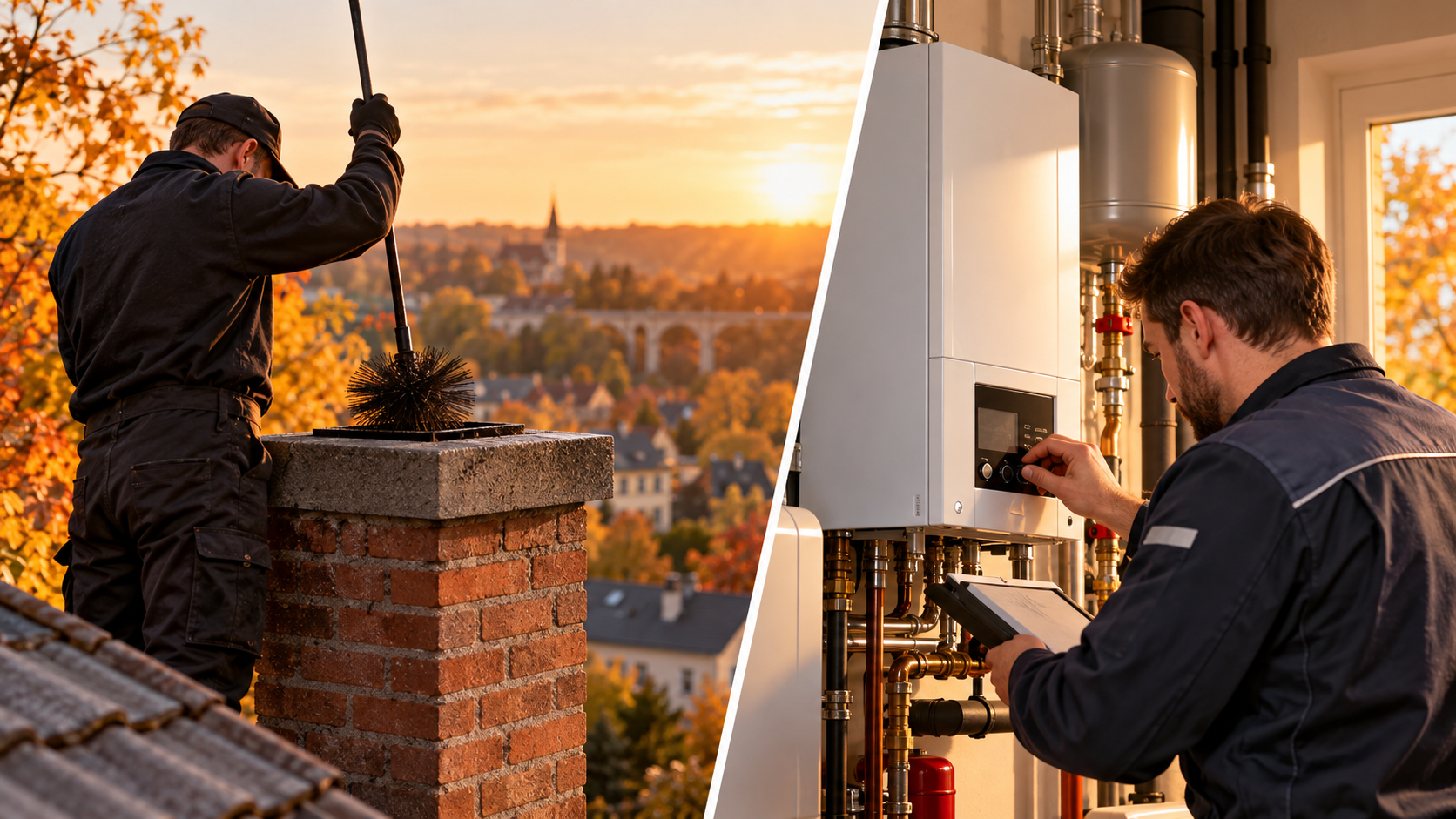
Chimney sweeping. A professional chimney sweep cleans the flue to remove soot and combustion residue. These deposits build up with every fire and can, under certain conditions, ignite. That is a chimney fire.
Boiler servicing. A qualified heating engineer cleans, checks and adjusts your gas or oil boiler. Over time, components get dirty, wear out and lose efficiency. A neglected boiler uses more and breaks down more often.
The 5 things they really protect
- Your home against fire. A clean flue sharply reduces the risk of a chimney fire, and proper flue gas extraction protects the occupants.
- Your winter against breakdowns. Nobody wants to be without heating in January. Preventive servicing spots problems before they let you down.
- Your bill against waste. A well-adjusted system uses less for the same comfort.
- Your system against wear. Monitoring the components extends the boiler's lifespan.
- Your family against carbon monoxide. The professional checks combustion, the safety components and flue gas extraction.
What they don't replace
- The statutory inspection. Servicing means maintenance and cleaning. The periodic inspection is the compliance check required by law. One does not exempt you from the other.
- Good insulation. A perfectly serviced boiler in a house that leaks everywhere mostly heats the garden. Window seals and insulation matter as much as the burner.
- A carbon monoxide detector. Even when serviced, a combustion appliance can malfunction one day. A certified detector remains your last line of defence.
The Luxembourg angle: inspections
In Luxembourg, the Corps grand-ducal d'incendie et de secours (CGDIS) recommends having your chimney swept by a professional at least once a year. Additional requirements may apply depending on the installation and the municipality.
For boilers, the Environment Agency (Administration de l'environnement) sets how often statutory inspections take place for the installations concerned:
| Heating type | Periodic inspection |
|---|---|
| Gas boiler | Every 4 years |
| Oil boiler | Every 2 years |
| Solid-fuel heating concerned | Every 2 years |
Source: Administration de l'environnement, environnement.public.lu
An inspection every four years does not mean servicing every four years. Have your system serviced every year, note the date of the last inspection and ask your heating engineer when the next one is due. The rules vary by installation: a qualified heating engineer will tell you in one visit.
Carbon monoxide: the invisible danger
Carbon monoxide is invisible, odourless and tasteless. It appears when a gas, wood or oil appliance burns poorly or does not extract its flue gases properly. Headaches, dizziness, nausea, then loss of consciousness: in severe cases, poisoning is fatal.
- Have your heating appliances serviced by a professional.
- Check the flues regularly.
- Ventilate rooms sufficiently.
- Never use a barbecue or an outdoor combustion heater indoors.
- Install a certified carbon monoxide detector.
Source: recommendations issued by the CGDIS, cgdis.public.lu
Lowering the bill this winter
Differences in consumption from one winter to the next often come down to four simple points:
- The radiators. Cold spots often signal air in the circuit. Bleeding suited to the installation restores circulation.
- Windows and doors. Damaged seals let the cold in. A check before winter is often enough.
- Temperature room by room. An empty guest room does not need 21 degrees. Suitable programming avoids heating for nothing.
- Servicing. A well-adjusted system makes better use of every litre of heating oil and every cubic metre of gas.
Old boiler: switch to a heat pump?
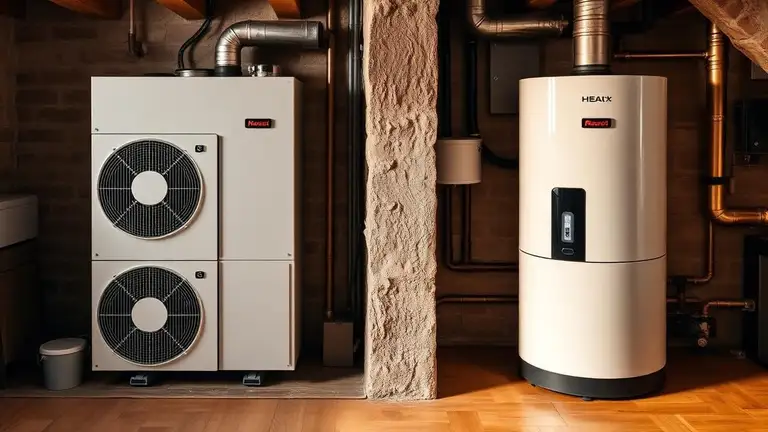
If your boiler is old, uses a lot or keeps needing repairs, autumn is the right time to ask the question. It all depends on the boiler's age, the building's insulation, your heating needs, the existing radiators and your budget.
A heat pump mainly uses energy present in the environment. Properly sized and installed in a suitable home, it heats efficiently and reduces dependence on gas and heating oil. Some renewable heating installations may qualify for state grants, subject to conditions: read our subsidies guide before you sign.
Why October, not January
Every year, the same story. All summer long, nobody thinks about their boiler. Then the first cold snap arrives, and everyone calls the heating engineer and the chimney sweep in the same week. Diaries fill up, waiting times grow longer.
In October, you choose your date. In January, you take whatever is left. Preventive work always costs less, in money and in nerves, than an emergency repair.
Frequently asked questions
How often should you have your chimney swept in Luxembourg?
At least once a year, as recommended by the CGDIS. Depending on the installation and how it is used, additional visits may be needed.
When should you have your boiler serviced?
Ideally every year, before the heating season. Statutory inspections follow their own schedule: every 4 years for gas, every 2 years for oil.
Is it dangerous not to have your chimney swept?
Yes. Built-up soot encourages chimney fires, and poor flue gas extraction puts occupants at risk.
Does servicing really lower consumption?
It maintains or improves performance, especially if components were dirty or poorly adjusted. The saving depends on the starting condition of the installation.
Can an oil boiler be replaced with a heat pump?
Yes, in many cases. Insulation, heating needs and the compatibility of the existing radiators must be checked. A professional determines feasibility.
Get your project priced
Read also
Sources cited
CGDIS · Administration de l'environnement