FREE QUOTES · Menuiserie
Menuiserie
- 100% free, no commitment
- Up to 7 quotes in 48h
- Certified craftsmen in Luxembourg
2 994 listed companies · Chambre des Métiers · Luxembourg
FREE QUOTES
Choose your service
Select what you need to receive personalised quotes.
MENUISERIE BOIS
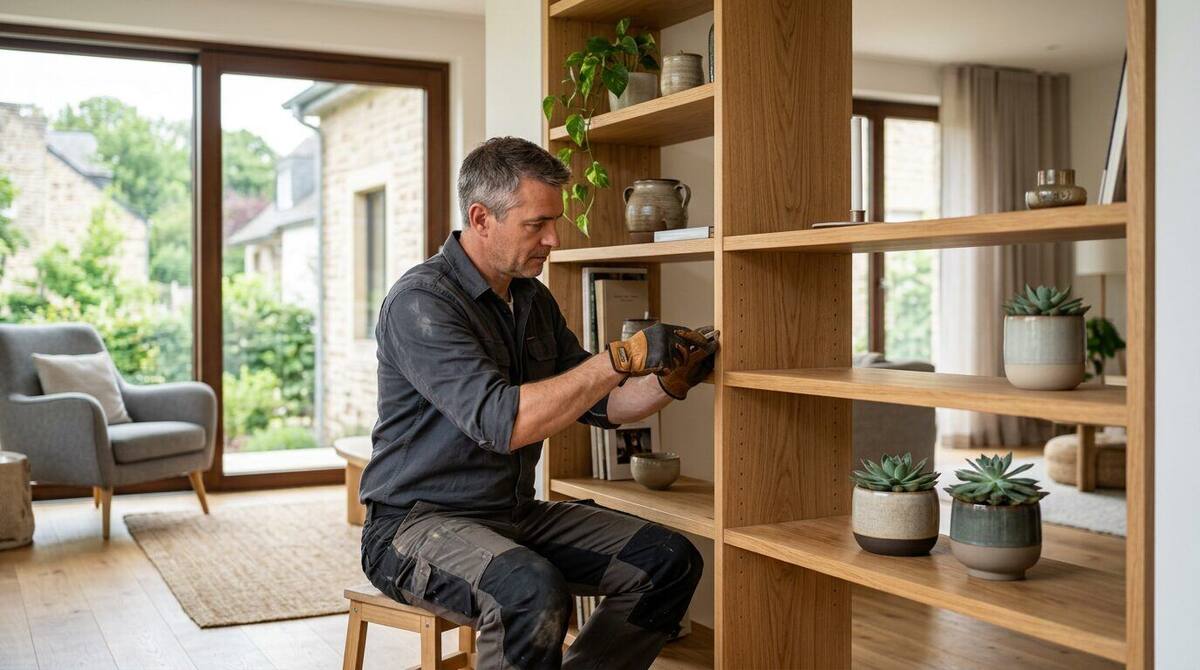
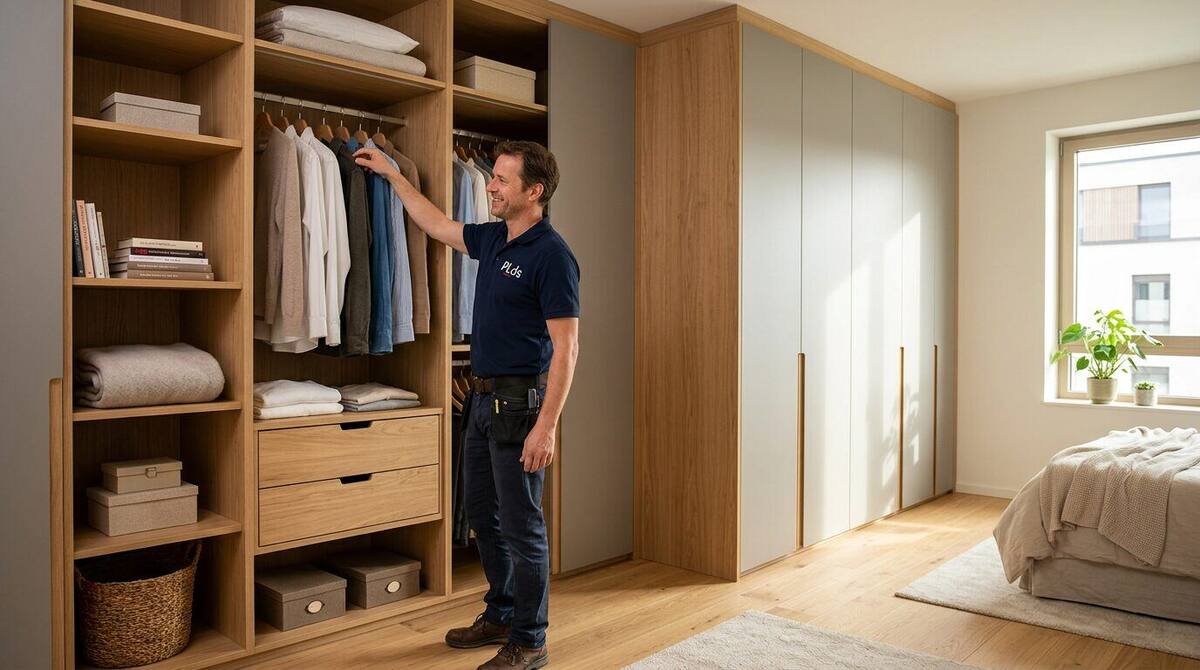
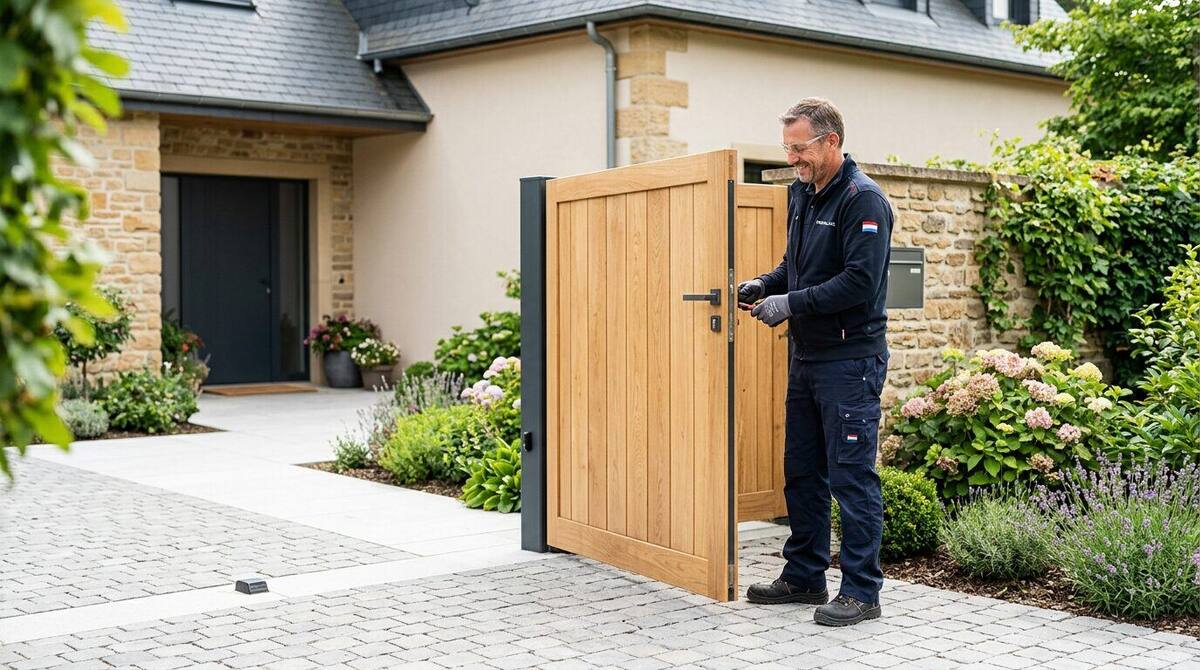
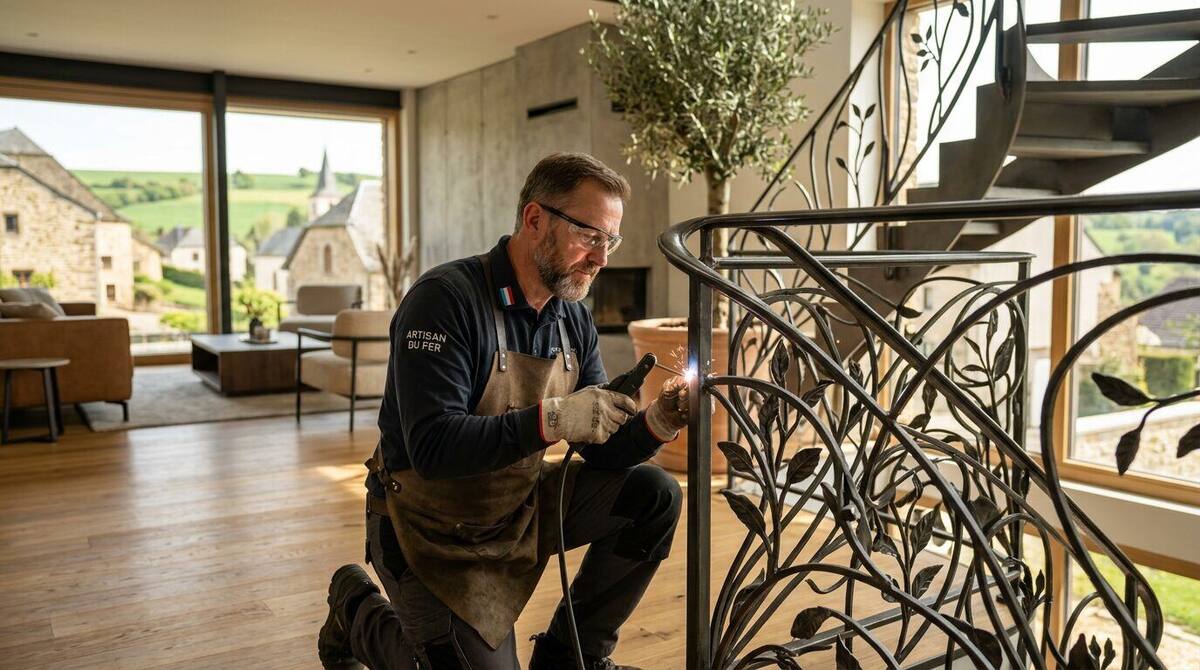
Guide
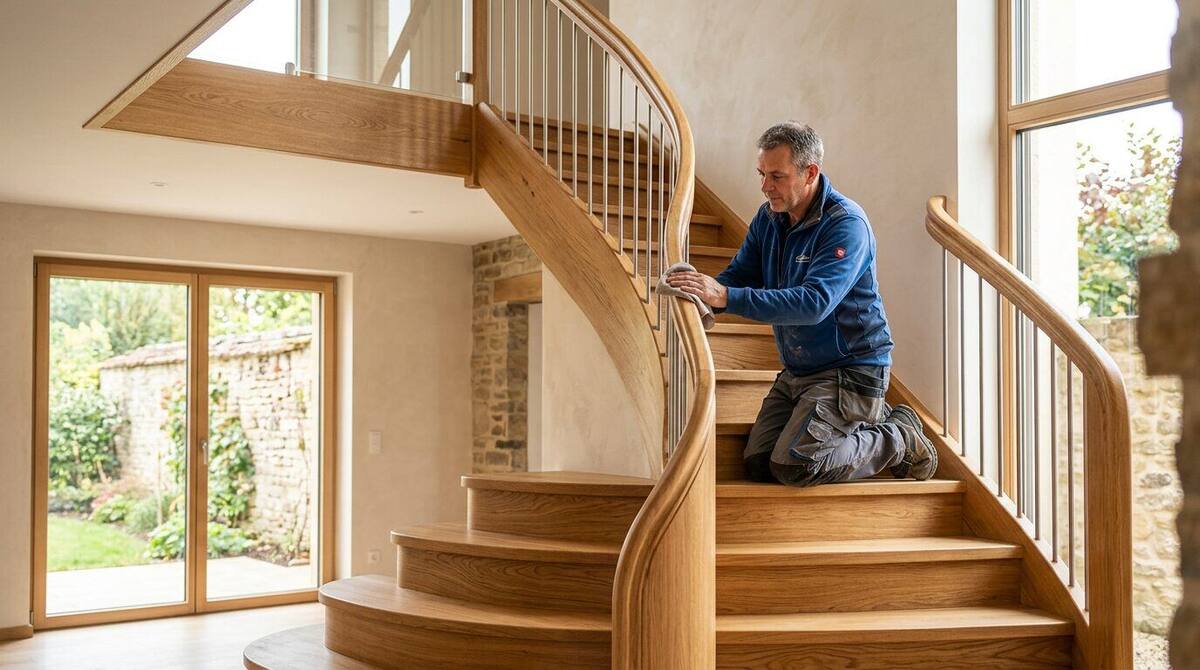
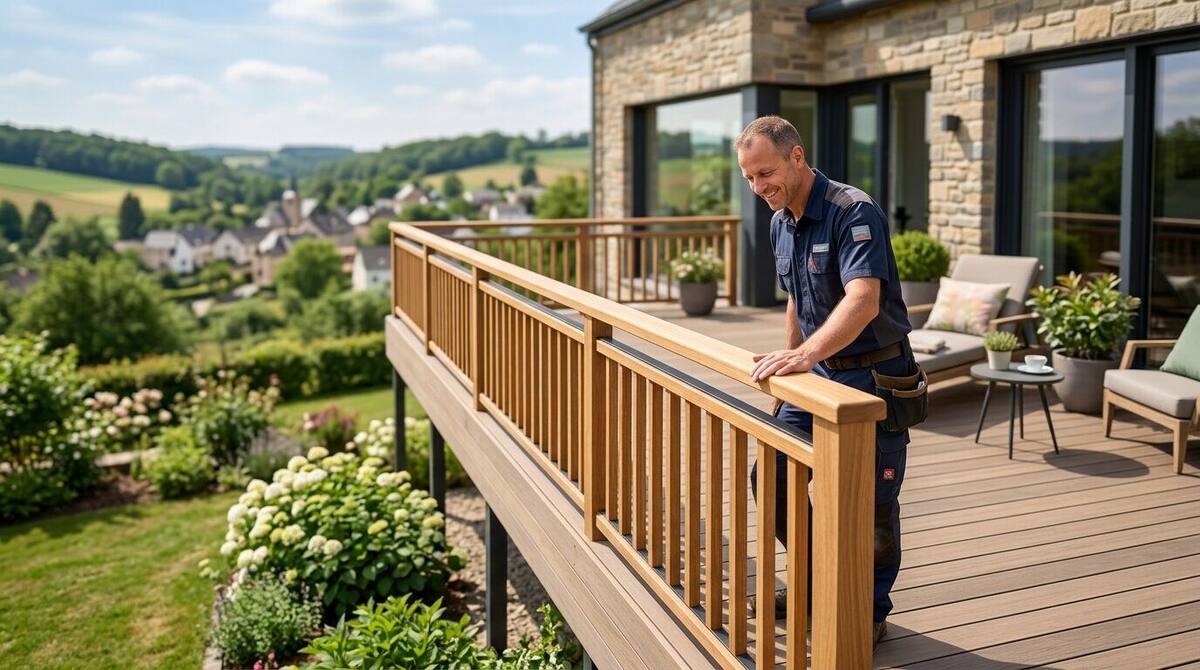
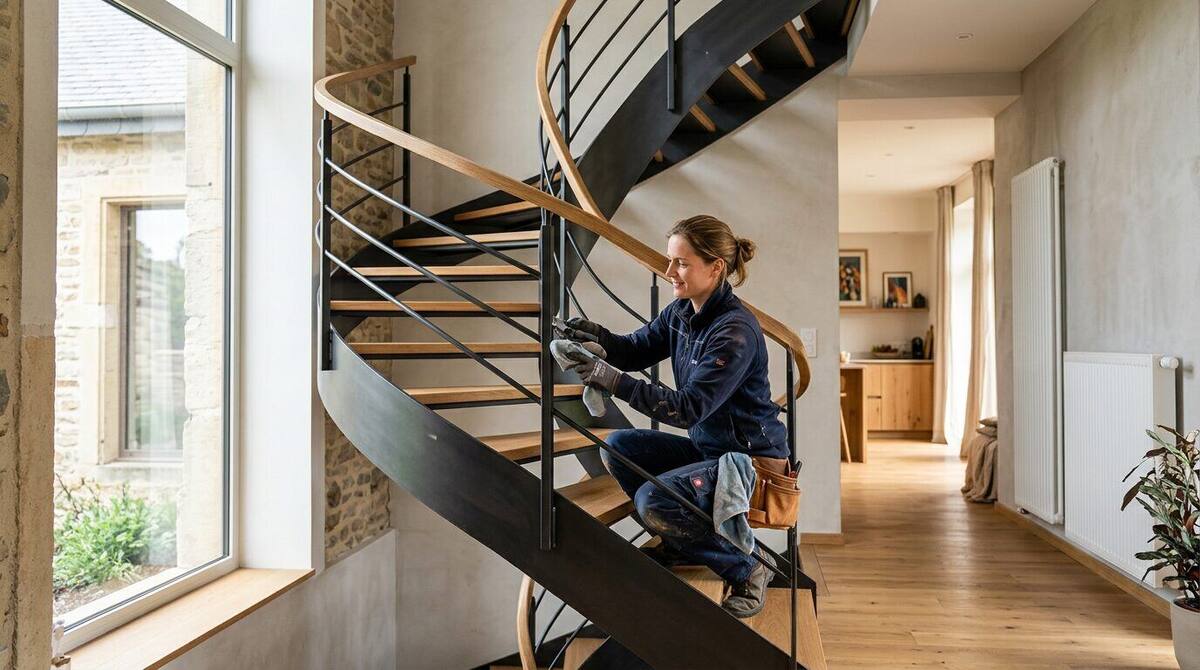
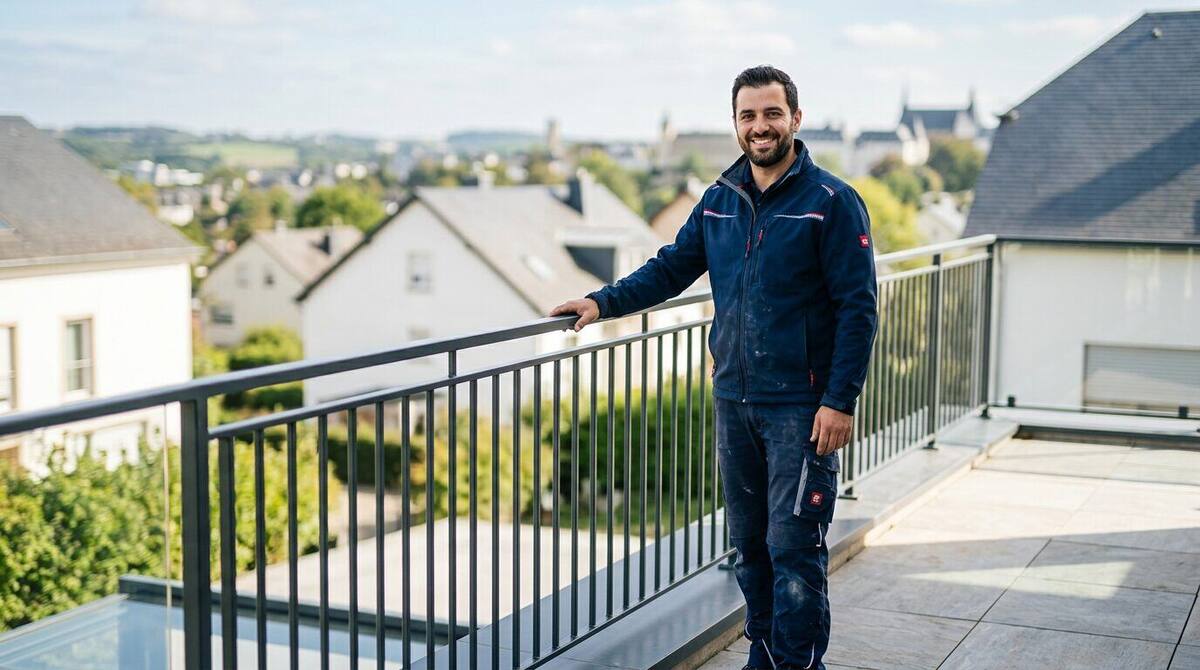
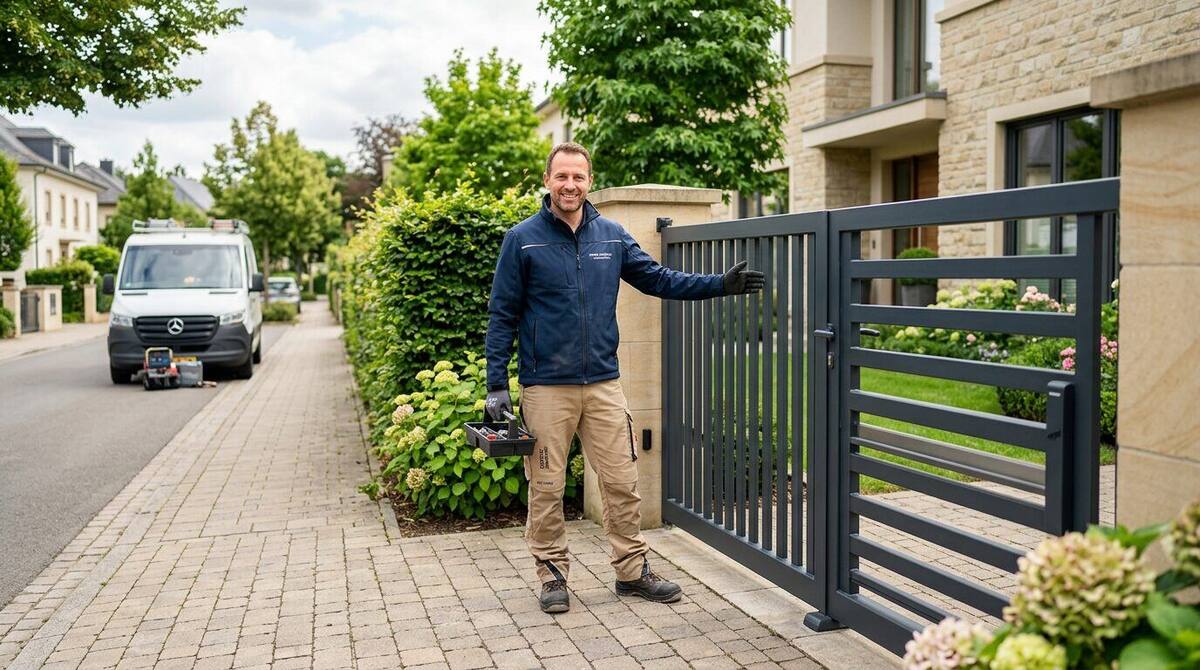
Woodwork and metalwork: staircases, railings, bespoke furniture and gatesRead the full guide
Maintaining joinery and metalwork over time
Wooden and metal elements age differently depending on where they sit. Interior staircases, furniture and built-in storage mainly need their moving parts checked and their surfaces cleaned with products suited to the finish. Exterior items, gates, railings and exposed timber, face rain, sun and frost, so their coating is what protects them; inspecting it once a year and touching up early is far cheaper than stripping and refinishing later.
Ask the company that built the item what maintenance it expects and which products suit the finish used. Note the hardware references, hinges, closers, locks and fixings, so a worn part can be replaced with an identical one rather than the whole assembly. Small adjustments after the first heating season are normal, as timber settles and metal fixings bed into the structure.
Comparing joinery and metalwork quotes
Ask for the specification, not just the object: species or alloy, thickness and section, board and edge type, hardware brand, coating system and number of coats. For staircases, railings and gates, the fixing method into the existing structure and the safety dimensions applied should be written down, because these determine both cost and compliance.
Compare whether the quote covers site survey, delivery and handling into the building, removal of the old item, on-site adjustment and final finishing. Bespoke work has long lead times, so confirm the workshop schedule and what is required from you before production starts, such as final measurements after plastering or a decision on colour. Ask how future repairs or extensions to the same piece would be handled.
Materials, measuring and finishing in joinery and metalwork
Bespoke joinery and metalwork stand or fall on measurement and material choice. Wood species, board type, steel section and coating decide both appearance and durability, and each behaves differently with humidity and daily wear. A site survey with precise measurements, including out-of-square walls and floor levels, is what allows a workshop to build parts that fit without visible compensation strips.
Ask how items are finished and protected, whether coating is applied in the workshop or on site, and how fixings are anchored into the existing structure. For staircases, railings and gates, confirm which safety dimensions apply and how moving parts are adjusted at handover, since hinges, closers and locks need setting once the item is installed.
What this category covers
Joinery and metalwork bring together two distinct trades that often share the same sites: wood joinery, which produces wooden staircases, railings and handrails, bespoke furniture, built-in wardrobes and dressing rooms, and wooden gates, and metalwork, which covers locksmithing and wrought-iron work, metal staircases, metal railings and handrails, and metal gates. These works apply equally to new-build projects and to renovating an existing staircase or adding bespoke storage.
This category does not cover exterior doors, windows or conservatories, which belong to the doors, windows and conservatories category, nor structural masonry. Projects spanning several trades, such as a staircase built into an extension, often involve more than one company working in coordination.
When to call in a professional
A staircase or a railing directly affects occupant safety: step height, baluster spacing and fixing strength follow building standards that a joiner or locksmith knows and applies. A professional is essential for any structural or load-bearing element, or one exposed to intensive daily use, and is advisable even for bespoke furniture once dimensions or materials fall outside standard ranges.
A gate, whether wood or metal, often involves a motor and an electrical connection: it is best handled by a company that masters both the structure and the installation that comes with it.
How a typical project runs
The project starts with on-site measurements and a discussion of intended use: a staircase must fit an existing volume, a dressing room must make the best use of an often irregular space, a gate must match the width of the entrance and the style of the façade. The company then produces a dimensioned plan or sketch and manufactures the elements in its workshop before installation.
Installation time varies widely depending on scope: a few hours for a simple railing, several days for a full staircase or a room-length wardrobe. Workshop manufacturing often takes longer than installation itself and should be planned for well ahead if the project is tied to a fixed date, such as a move-in.
What drives the price
Material choice has a major impact: solid wood, engineered wood, steel, stainless steel and aluminium differ both in cost and in upkeep. The complexity of the shape, for instance a curved staircase or a decorated railing, and the finish requested, such as paint, wood stain or anti-corrosion treatment, also change the quote. Bespoke work generally requires more manufacturing and installation time than a standard element, which affects the price.
For a gate, the motor, remote control and associated safety equipment add to the cost of the structure itself. Always ask the company to itemise material supply, manufacturing and installation separately.
Choosing a contractor and comparing quotes
Ask to see comparable past projects, in wood or metal depending on your case, and check that the company holds the trading licence for joinery or locksmith work. Compare quotes on the same basis: exact material, dimensions, finishes, hardware, warranty and manufacturing lead time.
A complete quote states the on-site measurements taken, the fixing method chosen, particularly for a railing subject to daily use, and the warranty terms covering both structure and finish.
How vert.lu puts you in touch
Describe your joinery or metalwork project in a few minutes: type of piece, preferred material, approximate dimensions and timeline. We forward your request to companies in our directory active in this trade and in your area; those available get in touch to arrange a site visit. The service is free and comes with no obligation for private individuals.
FAQ
Frequently asked questions
What is the difference between wood joinery and metalwork?
How long does manufacturing a bespoke staircase take?
Must a railing follow specific rules?
Can bespoke furniture be made without a joiner?
Is a motorised gate a joinery or an electrical job?
How do I compare two very different quotes?
See more questions
How much does a quote cost?
Am I obliged to accept?
How many quotes will I receive?
Is my data shared?
Can't find your service?
Why Vert.lu?
100% free
No hidden fees. Vert.lu is paid by craftsmen.
Reply within 48 h
First response from a craftsman within 48 hours.
Certified craftsmen
2 994 listed companies in Luxembourg.