
FREE QUOTES · Revêtement mur sol
Revêtement mur sol
- 100% free, no commitment
- Up to 7 quotes in 48h
- Certified craftsmen in Luxembourg
2 994 listed companies · Chambre des Métiers · Luxembourg
FREE QUOTES
Choose your service
Select what you need to receive personalised quotes.
REVÊTEMENT SOL

Guide
Wall and floor coverings: preparing your projectRead the full guide
Comparing flooring, wall and painting quotes
Check the preparation line by line: removal and disposal of existing coverings, substrate testing, priming, levelling compound or plaster base coats, and the drying time allowed. Then compare the covering itself, laying pattern, joint width, skirtings and thresholds. Preparation is where quotes diverge most, and it is what decides whether the finish lasts.
Ask how furniture, doors and adjacent finishes are protected, whether doors need trimming after a new floor build-up, and how dust is contained in an occupied dwelling. For paint, confirm the number of coats, the products used and how repairs to the existing surface are handled. Keeping a small reserve of tiles or boards from the same batch is worth writing into the quote.
Substrate preparation decides how coverings last
Tiles, parquet, resilient floors, plaster and paint all rely on the substrate underneath. Flatness, moisture content and soundness are checked before laying, because a covering cannot correct a floor or wall that moves, powders or remains damp. Screeds and plaster need drying time, and rushing that stage is the most common cause of later cracking or lifting.
Ask which preparation, priming and levelling products are planned, how movement and perimeter joints are positioned, and how existing coverings are removed and disposed of. For wood floors, room humidity at laying and the finishing system determine both appearance and repairability. Skirtings, thresholds and door adjustments are worth listing in the quote.
What this category covers
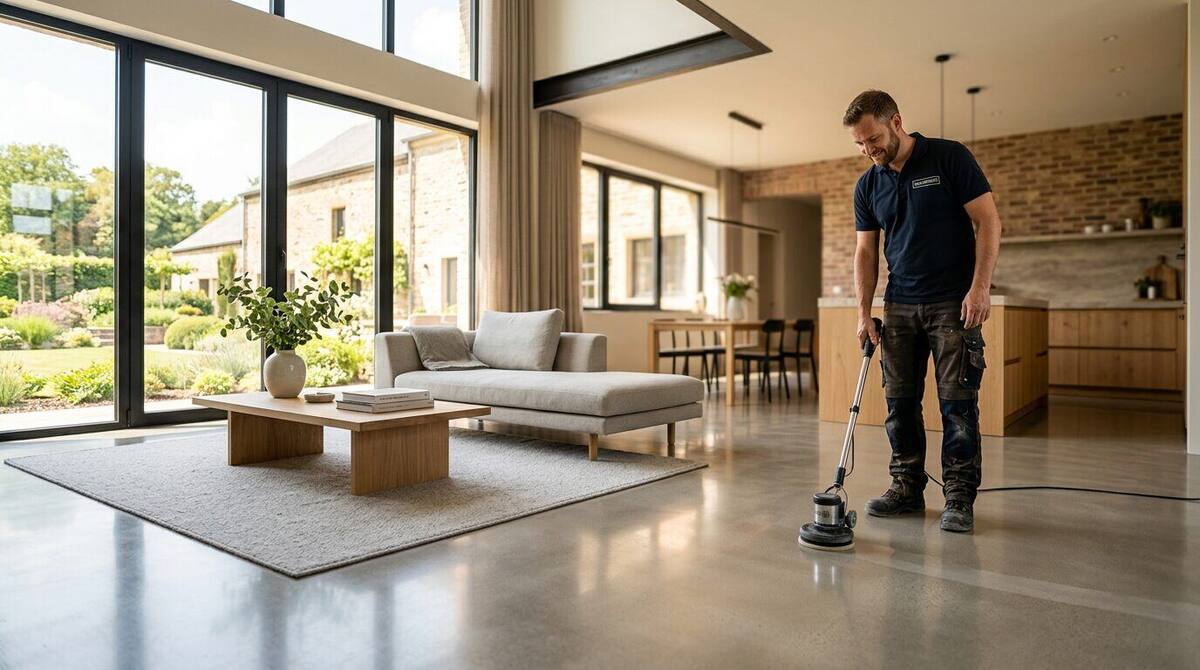
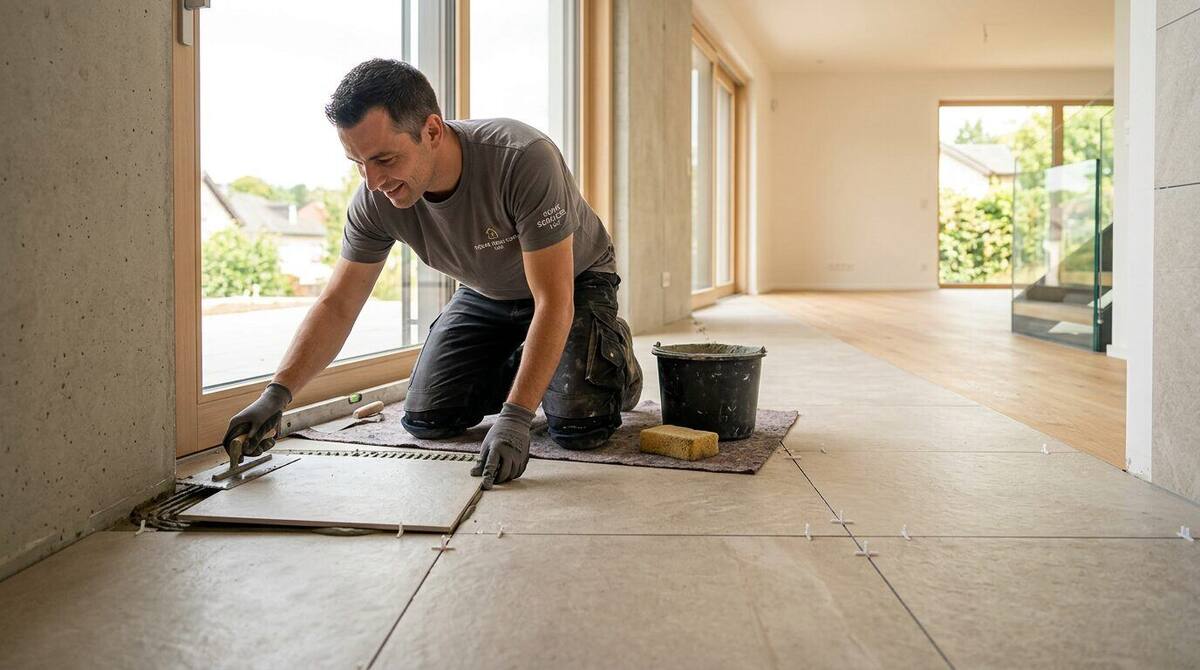
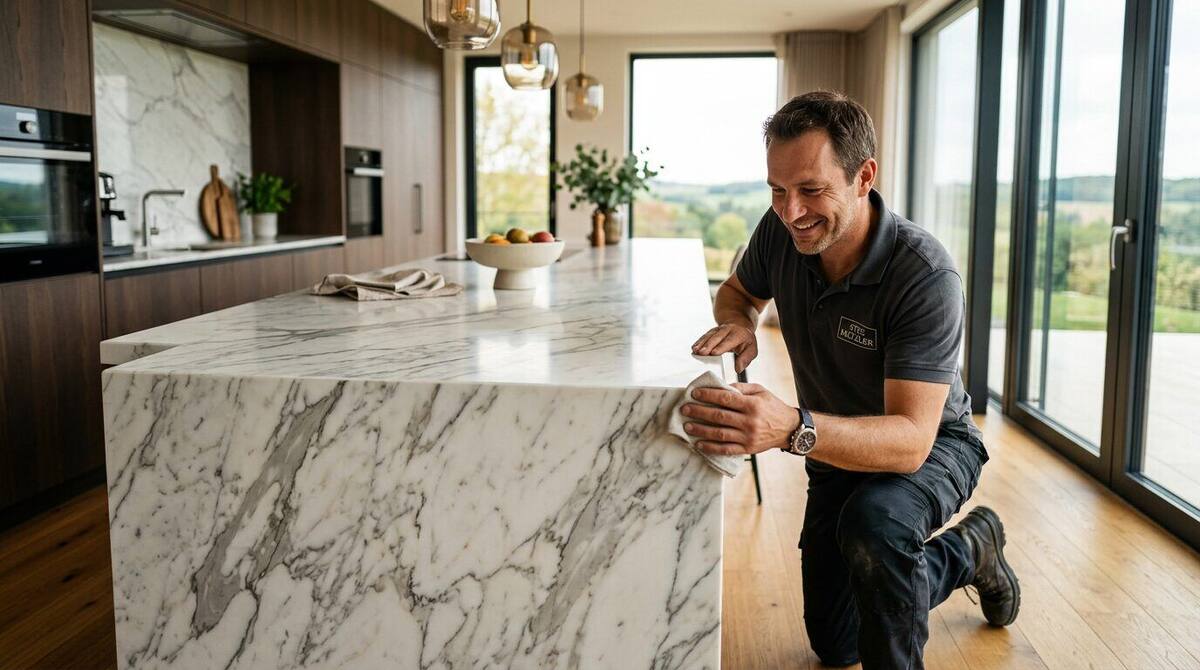
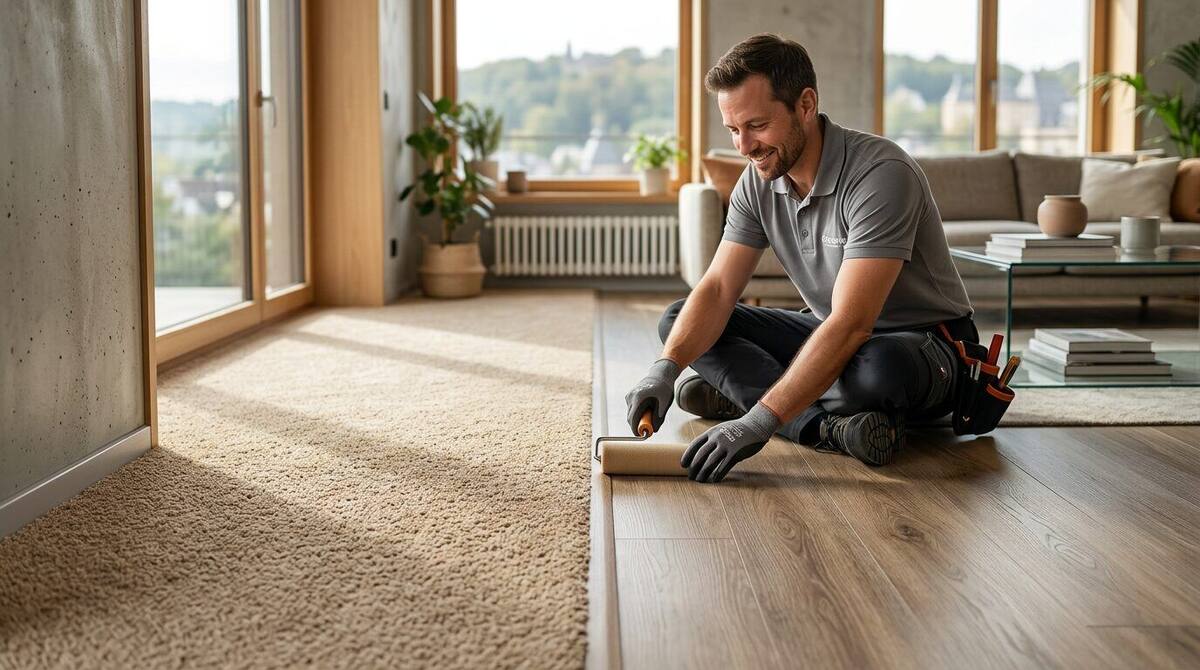
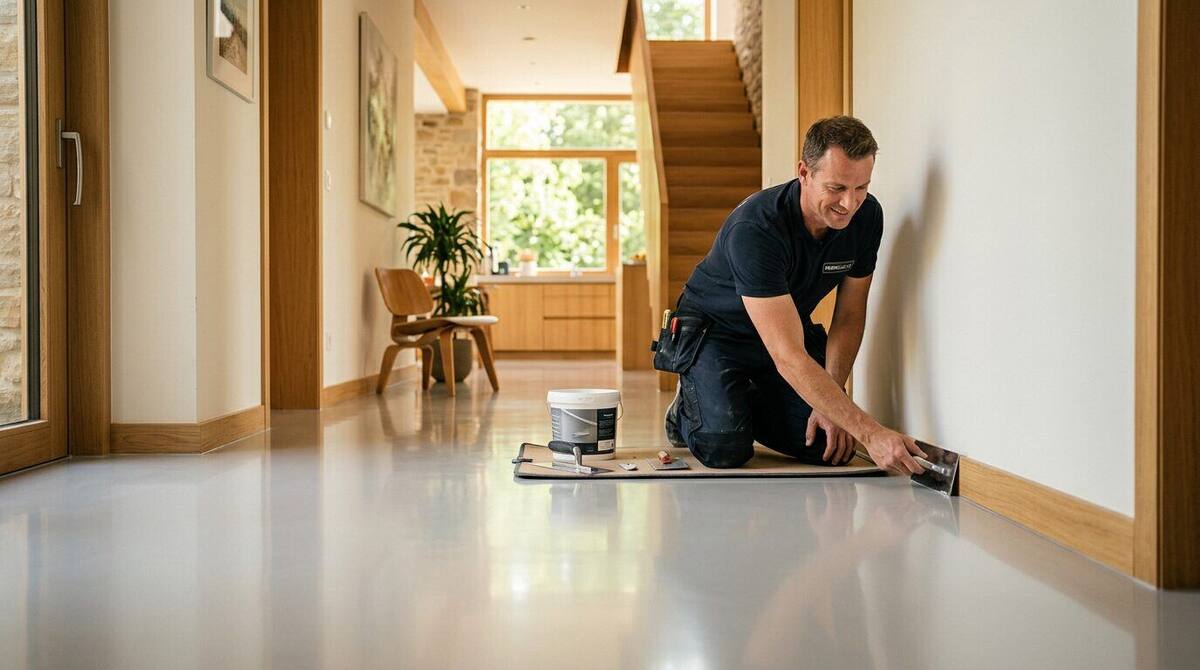
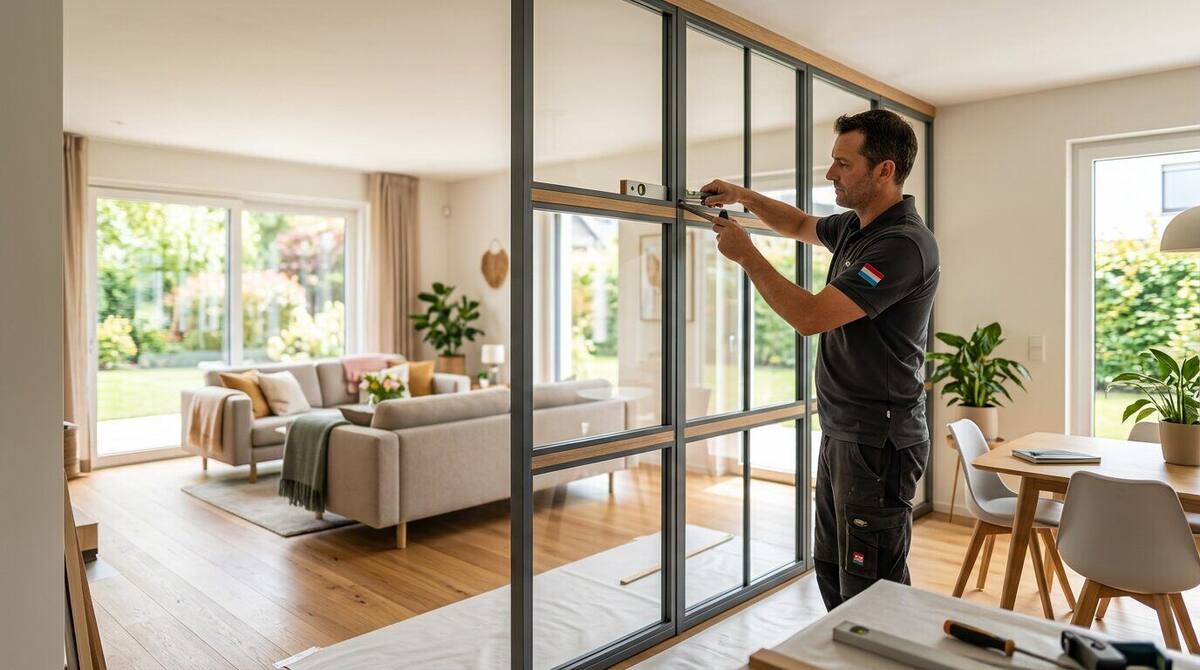
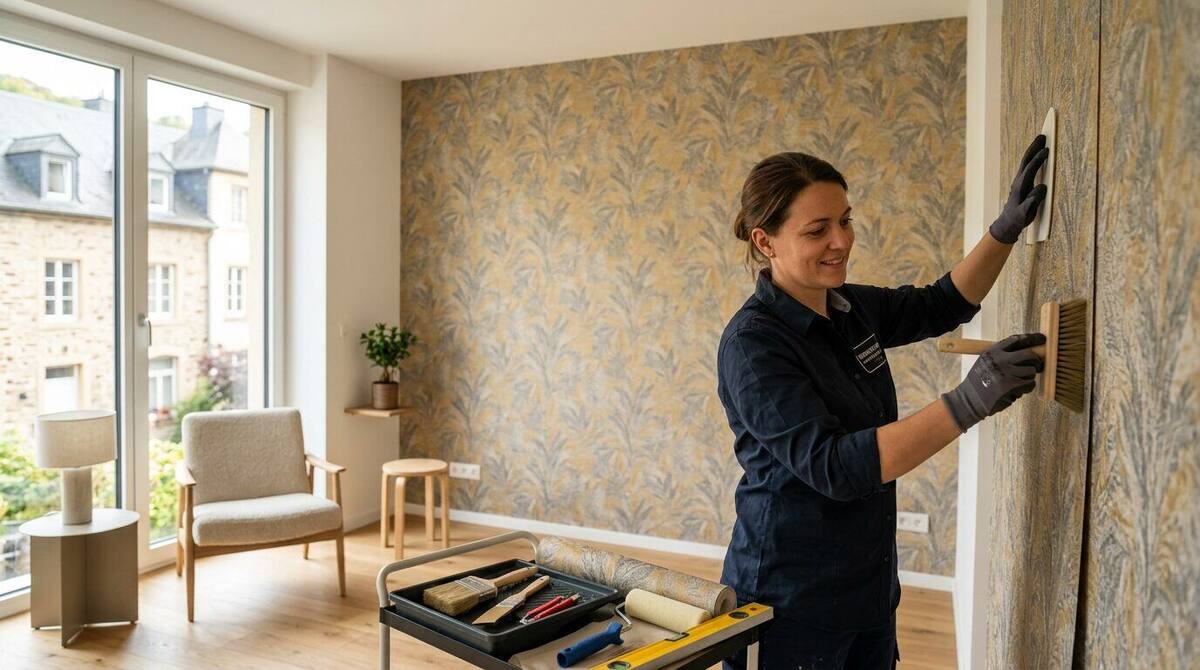
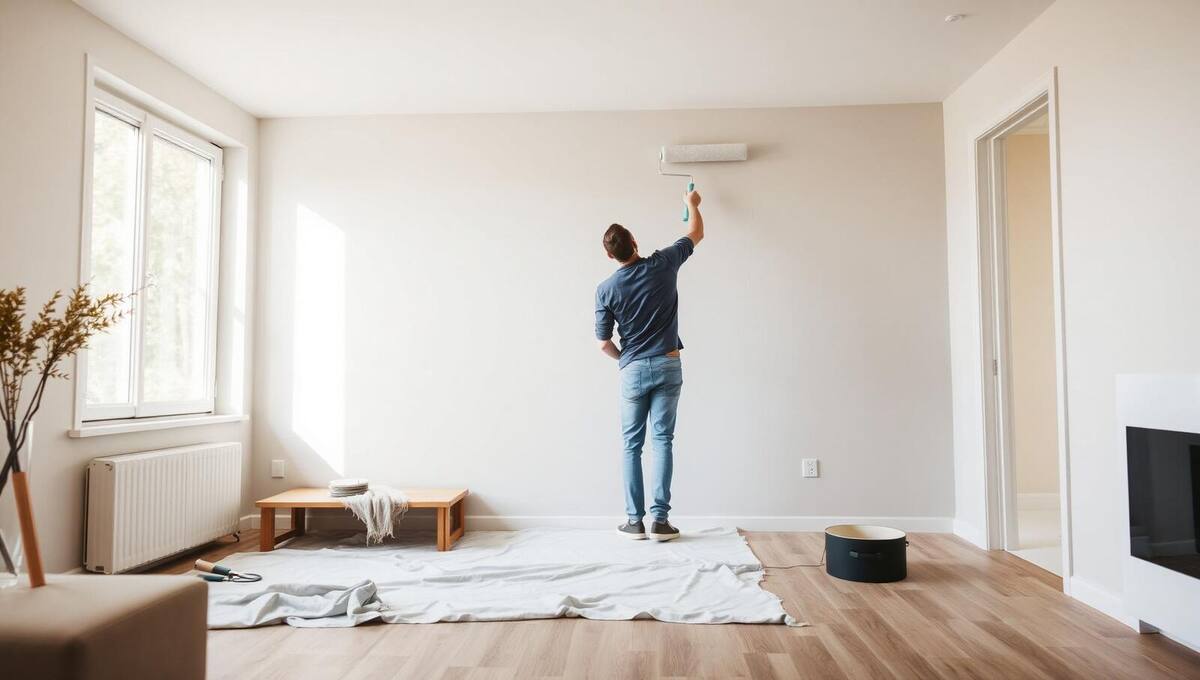
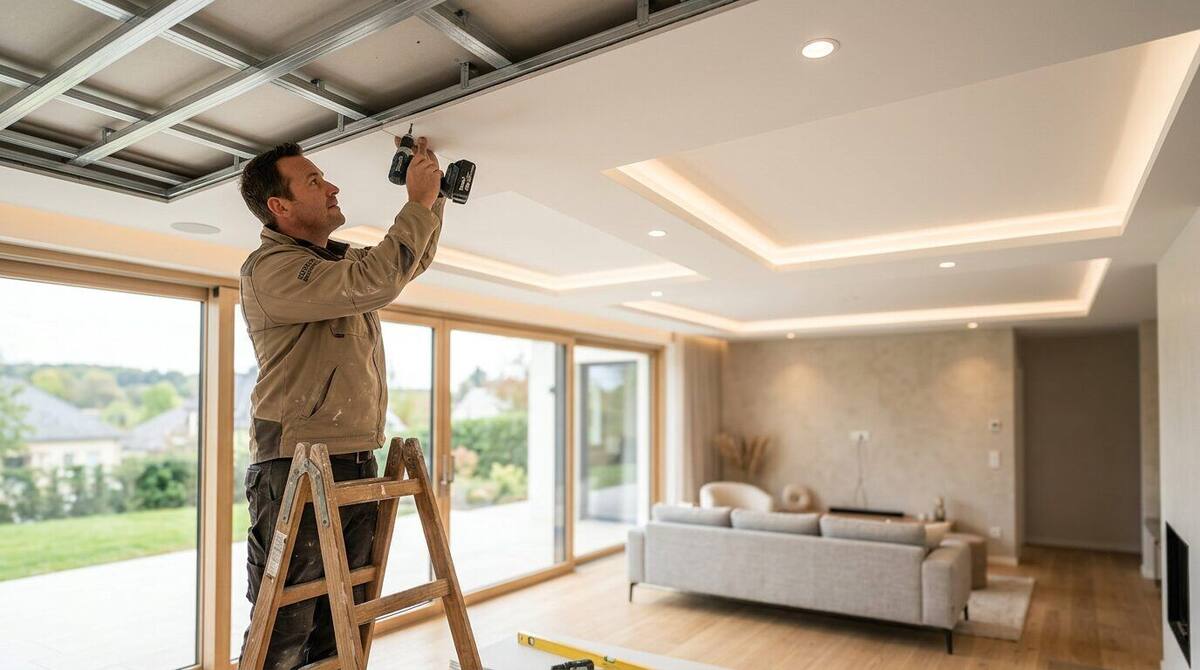
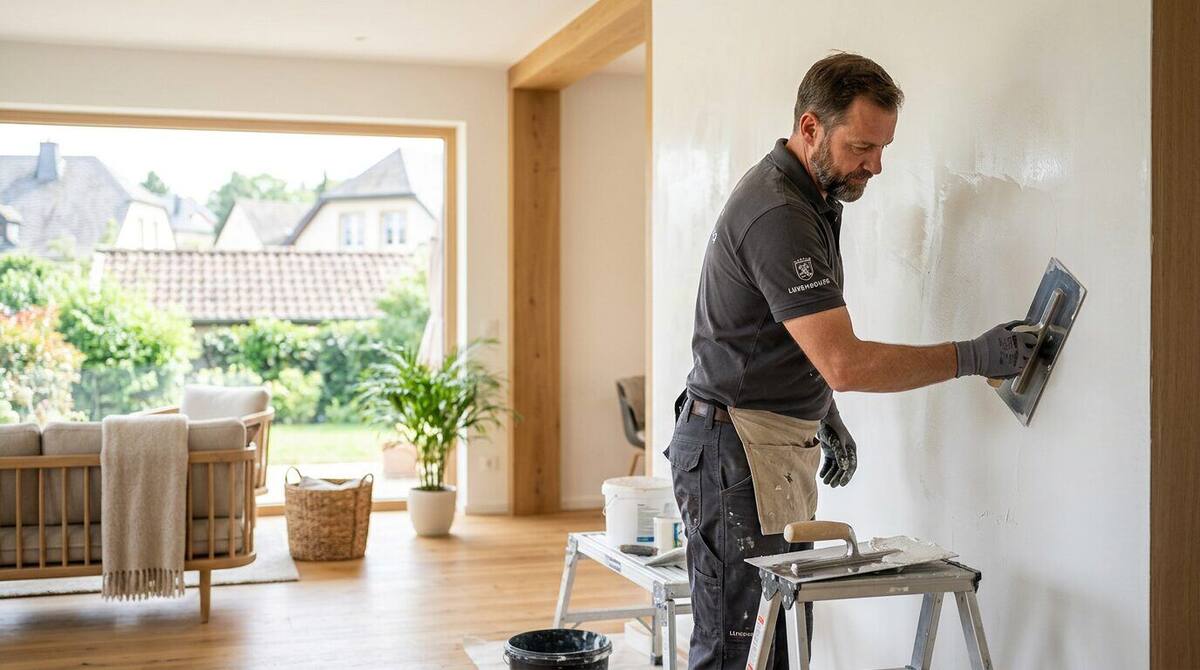
This category groups two related fields. On the floor side: tiling, parquet and wood flooring, marble and natural stone, carpet and vinyl, resin flooring, and polished concrete finishes. On the wall and ceiling side: partition walls, plastering, ceilings and suspended ceilings, interior painting and wallpaper. These trades apply both to new builds and to the renovation of existing homes, whether for a single room or an entire property.
It does not include structural work (masonry, structural screed), thermal insulation of walls, or exterior façades: these belong to other categories in our directory. The line can be thin, for instance between a preparatory screed and the floor covering itself; if in doubt, describe your project and the contractor you reach out to will clarify who handles what.
When to call a professional
A poorly prepared surface dooms any covering regardless of its price: residual moisture in a screed, insufficient flatness, missing primer. A professional assesses the condition of the substrate before proposing a solution, something a tape measure and a spirit level alone cannot always reveal reliably.
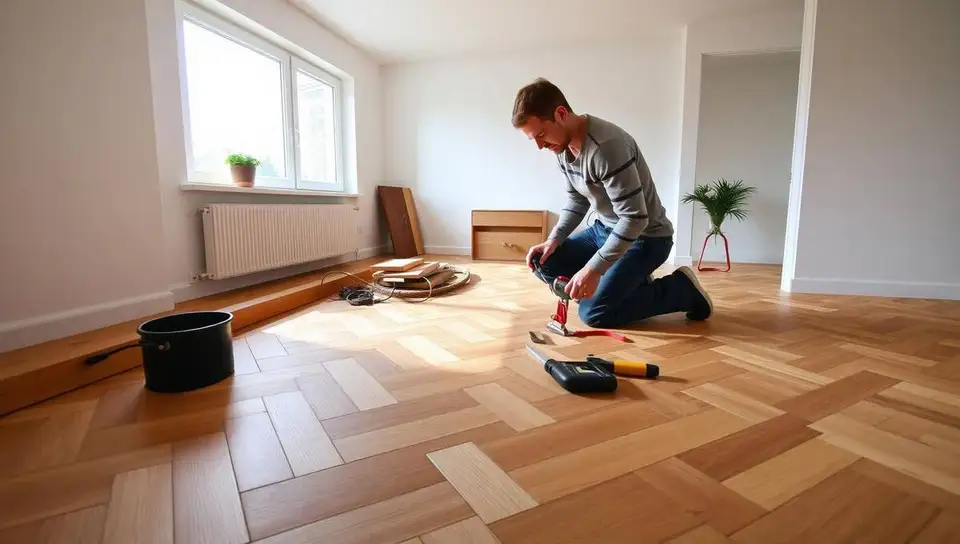
Some work requires specific know-how that is hard to improvise: laying nailed or glued solid parquet, polished concrete that needs several coats with precise drying times, or a partition wall incorporating acoustic insulation. Others, such as a simple interior paint job on an already sound wall, remain within reach of a competent DIYer; hiring a professional there mainly saves time and delivers a more even finish.
For work in a wet room (bathroom, kitchen) or a floating screed with integrated underfloor heating, using a professional avoids costly defects that are hard to fix once the covering is laid.
How a typical project runs
The professional starts with a site visit to assess the existing substrate, take measurements and identify constraints: an old covering to remove, moisture levels, ceiling height available for levelling compound or a suspended ceiling. A quote follows detailing materials, substrate preparation and installation.
The preparation phase comes next, often the most decisive step: removing the old covering if needed, levelling or sanding for correct flatness, treating any residual moisture, applying a primer. Installation of the chosen covering follows, with drying times to respect before the room can be used again, particularly for polished concrete or resin.
Expect anything from a few days for a single room to several weeks for a full home, depending on surface area, the number of trades involved and unavoidable drying times between steps.
What drives the price
Cost depends first on the material chosen: large-format tiles or natural stone take longer to lay than sheet vinyl, and solid parquet costs more than laminate. The condition of the substrate also weighs heavily: significant levelling work or treating residual moisture adds hours of labour before the final covering is even laid.
The surface area to cover, the complexity of cuts (corners, stairs, alcoves), the number of finishing details (skirting boards, door thresholds, wall joints) and site accessibility also affect the final amount. For walls and ceilings, the number of paint coats, the quality of the wallpaper, or acoustic insulation within a partition wall noticeably change the quote.
Always ask for a quote that separates substrate preparation, material supply and installation: that is what lets you compare two proposals on an equal footing.
Choosing the company and comparing quotes
Check that the company holds a business permit covering the relevant activity and professional liability insurance; our company profiles list the public information available. Ask for references from similar projects in size and material, especially for visually demanding work such as polished concrete or natural stone.
Compare quotes on an identical basis: brand and reference of materials, whether substrate preparation is included, waste and old-covering removal, completion time and guarantees. A large price gap between two quotes is often explained by a missing item rather than a genuine discount.
Be wary of a quote that does not detail substrate preparation: it is the step most often underestimated, and the one most likely to cause problems afterwards if neglected.
How vert.lu puts you in touch
You describe your project in a few minutes: type of covering wanted, rooms concerned, approximate surface area and timeline. We forward the request to companies in our directory whose trade and service area match, and those available contact you to arrange a visit. The service is free for homeowners and comes with no obligation.
FAQ
Frequently asked questions
Does the screed need to be redone before laying a new floor covering?
Can a floor covering be laid over existing underfloor heating?
How long does laying polished concrete take?
Does an interior partition wall require a permit?
Wallpaper or paint: how to choose?
Does the price include removal of the old covering?
See more questions
How much does a quote cost?
Am I obliged to accept?
How many quotes will I receive?
Is my data shared?
Can't find your service?
Why Vert.lu?
100% free
No hidden fees. Vert.lu is paid by craftsmen.
Reply within 48 h
First response from a craftsman within 48 hours.
Certified craftsmen
2 994 listed companies in Luxembourg.