FREE QUOTES · Services habitat
Services habitat

- 100% free, no commitment
- Up to 7 quotes in 48h
- Certified craftsmen in Luxembourg
2 994 listed companies · Chambre des Métiers · Luxembourg
FREE QUOTES
Choose your service
Select what you need to receive personalised quotes.
HUMIDITÉ

NETTOYAGE
 Déneigement - SalageFree quote in 48hRequest
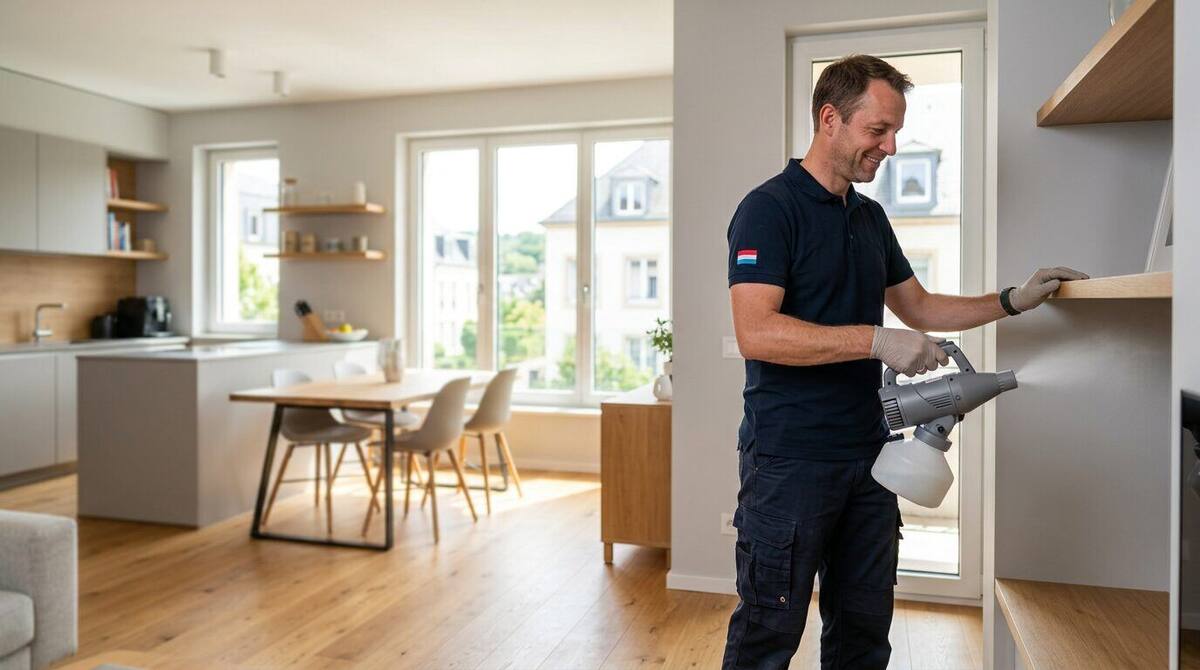 Désinfection - Désinsectisation - DératisationFree quote in 48hRequest
 NettoyageFree quote in 48hRequest
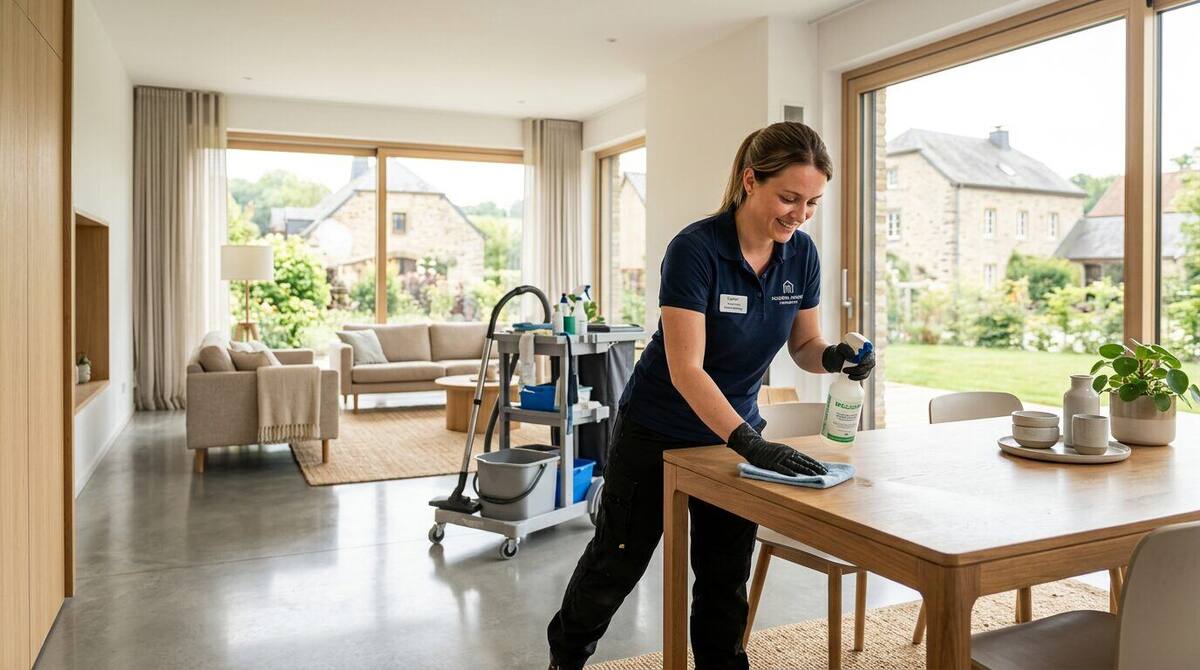 Nettoyage après chantierFree quote in 48hRequest
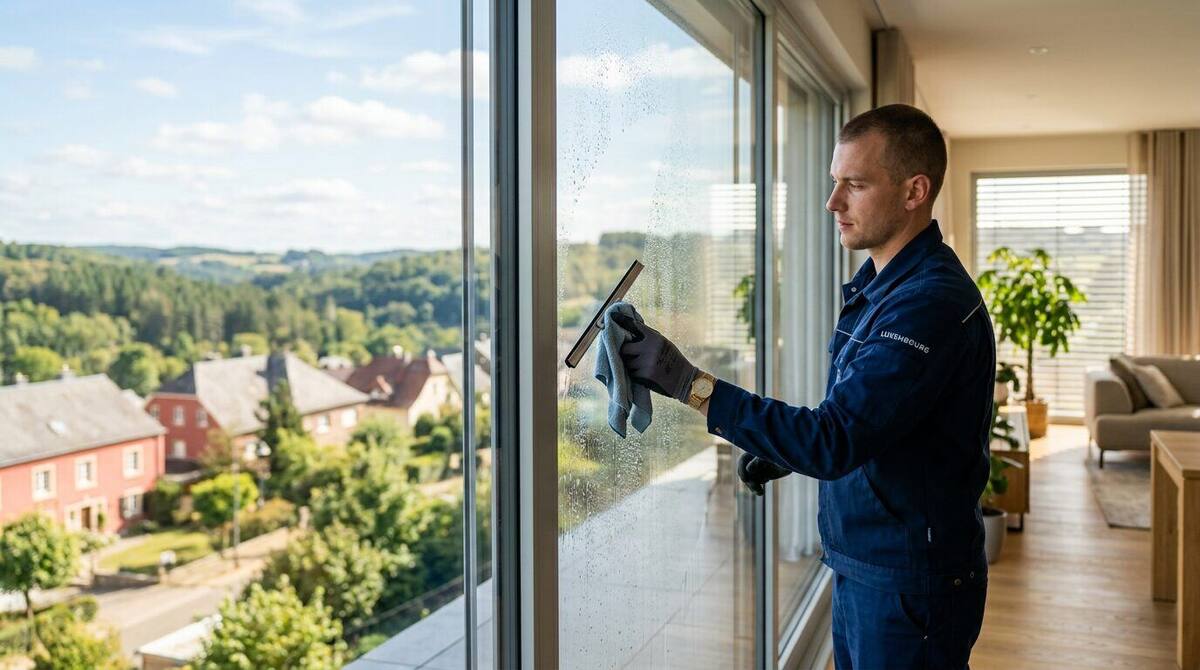 Nettoyage de vitresFree quote in 48hRequest
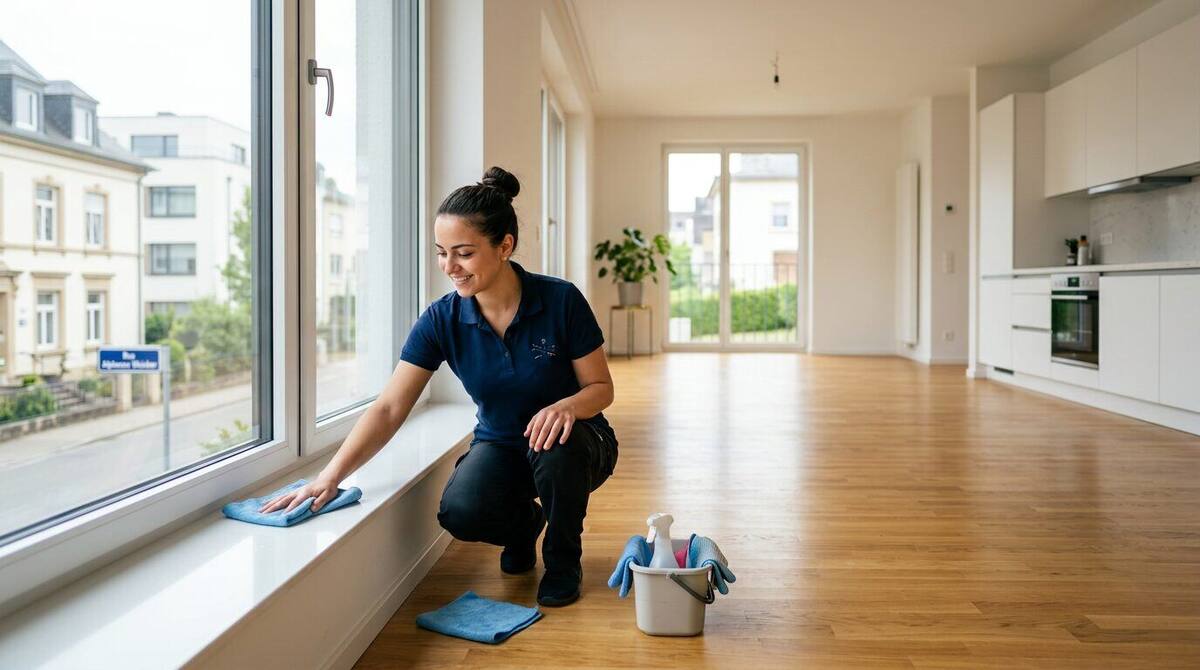 Nettoyage fin de bailFree quote in 48hRequest
 Nettoyage après sinistreFree quote in 48hRequest
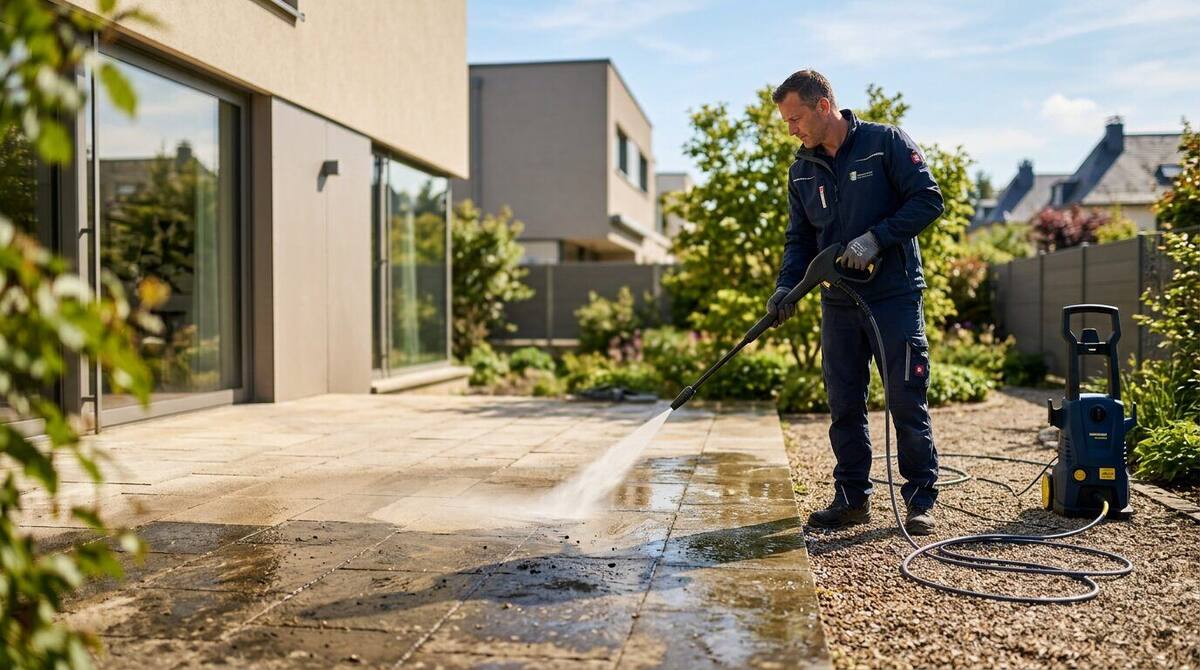 Nettoyage haute pressionFree quote in 48hRequest
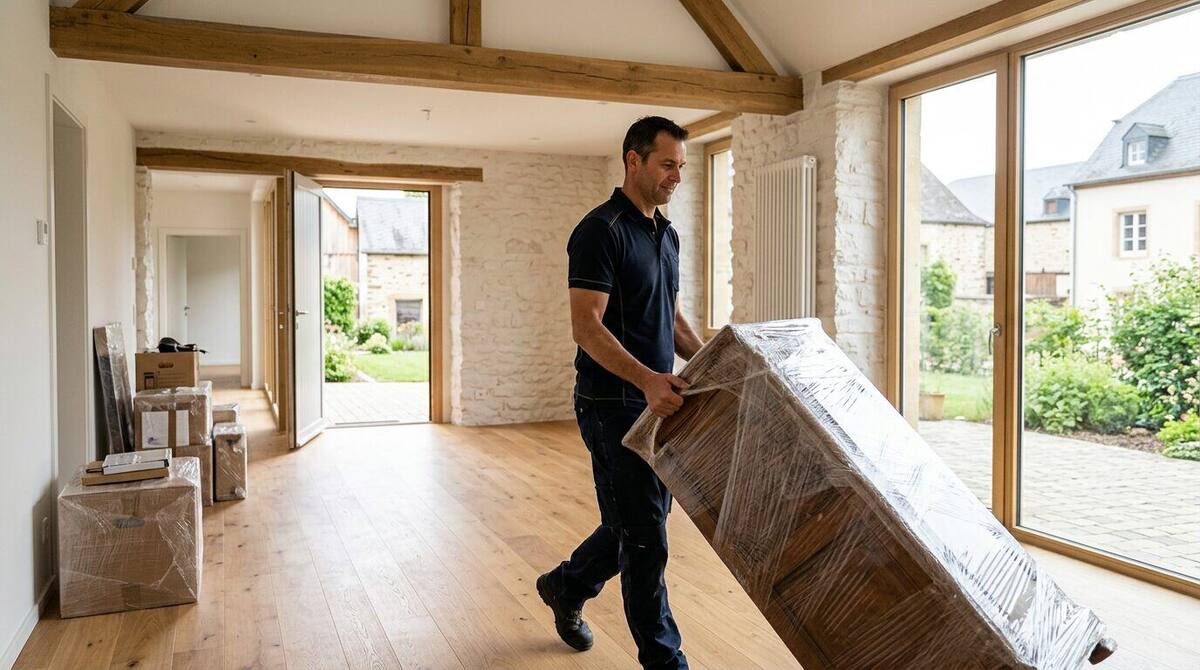 Débarras - Vide maisonFree quote in 48hRequest
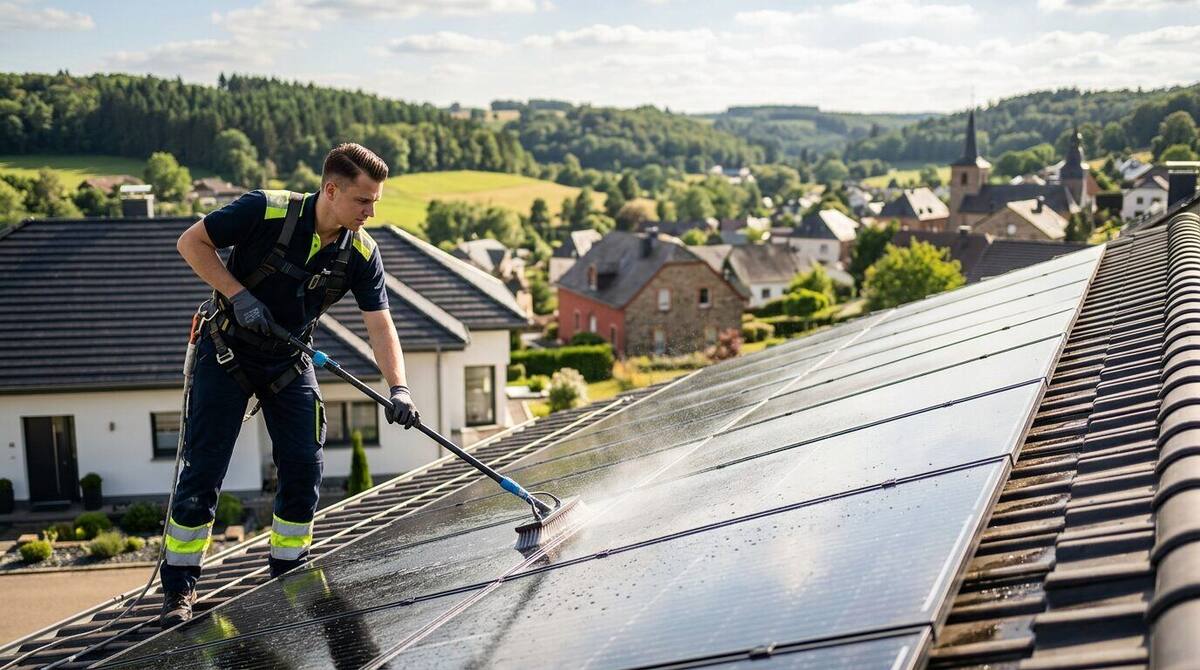 Nettoyage Panneaux solairesFree quote in 48hRequest
Guide
Home services in Luxembourg: damp treatment and professional cleaningRead the full guide
Comparing home service quotes
Compare scope and frequency before rate: the rooms or equipment covered, the tasks included in each visit, the products or parts supplied, and the time allowed. A cheaper hourly rate with a shorter visit is not comparable to a longer one that completes the full list, so ask for the expected duration and what is excluded.
Clarify insurance for damage, whether the same person or team returns each time, and how cover is arranged during holidays or illness. For moving and property care, confirm the inventory, packing materials, protection of floors and lifts, and the notice period for cancellations. Ask how you report a problem after a visit and how quickly it is put right.
Recurring home services: scope, access and continuity
Home services such as cleaning, maintenance visits, moving, removals and property care are judged on reliability more than on any single intervention. Define the scope precisely, which rooms or equipment, at what frequency, with which products or spare parts, so both sides can tell whether a visit met expectations. Written scopes also make it easier to adjust a contract later.
Access and keys, insurance cover for damage, and who is present during the visit are the practical points to settle first. For moving and removals, an inventory of bulky or fragile items and details of parking, lifts and stair widths shape the quote. Ask how continuity is handled during holidays or staff changes.
What this category covers
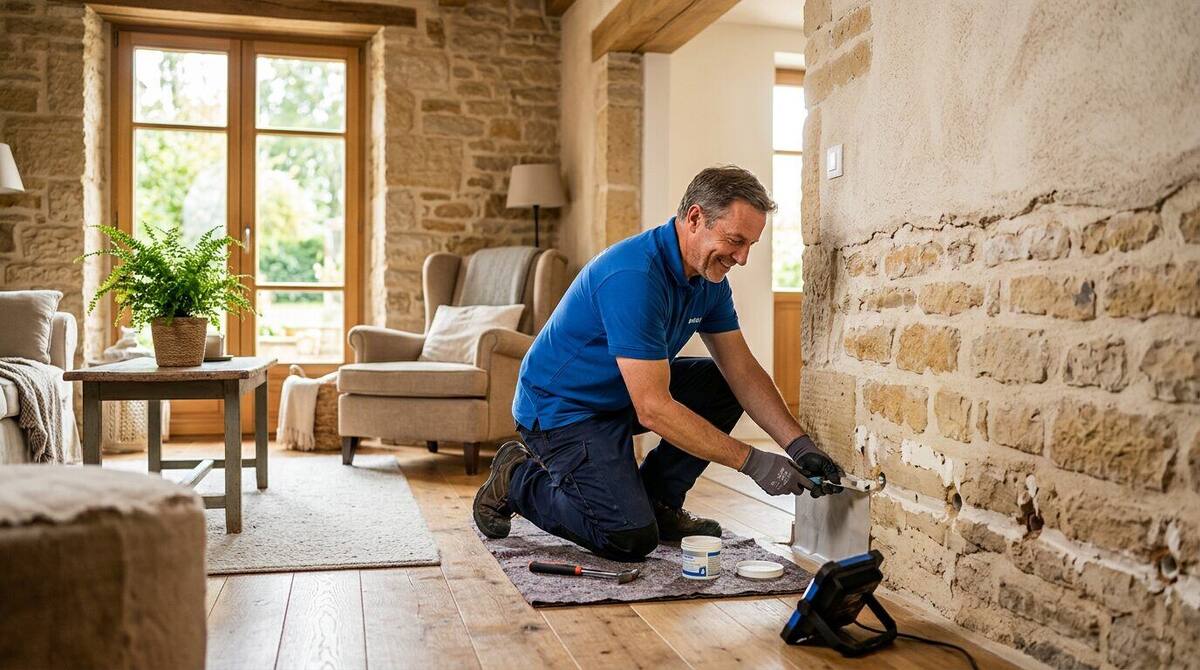
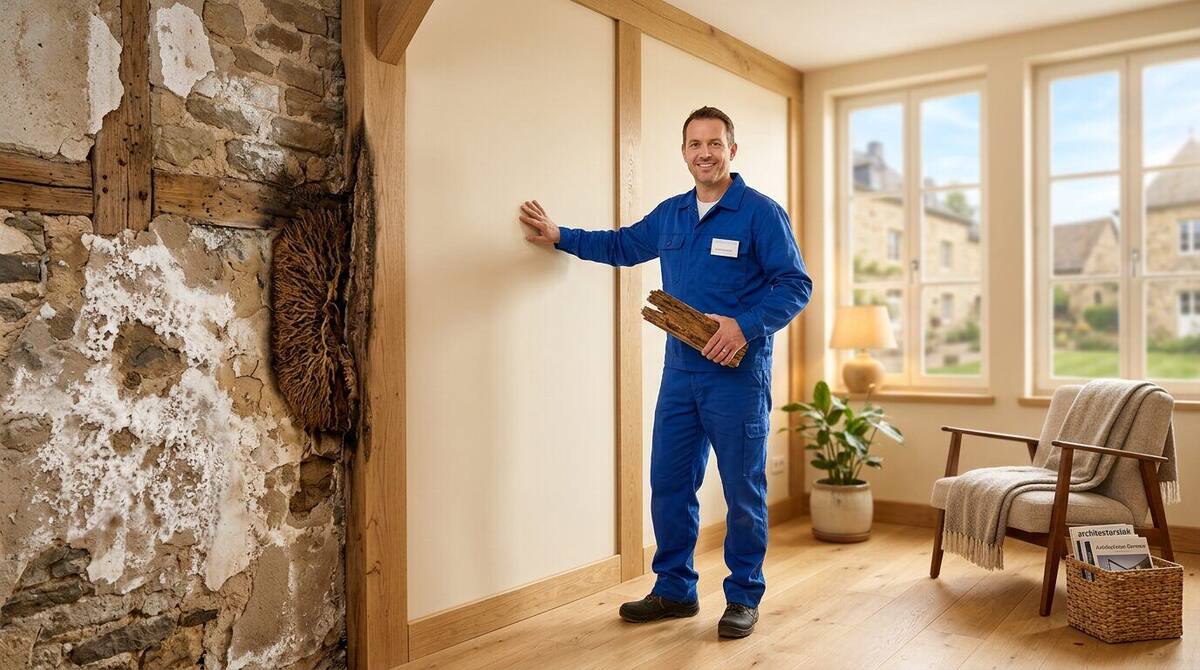
This category groups two distinct types of service. Damp treatment covers water infiltration, rising damp in walls, and problems with saltpetre or dry rot, a fungus that damages structural timber. Cleaning covers snow clearing and salting, disinfection, pest and rodent control, routine and post-construction cleaning, window cleaning, end-of-tenancy cleaning, post-disaster cleaning, high-pressure cleaning, decluttering and house clearance, and solar panel cleaning.
It does not include roof repairs, insulation or shell work that may be causing a damp problem: those structural interventions fall under other categories of our directory and often complement a damp treatment.
When to call a professional
A damp patch that keeps returning despite simple cleaning, a persistent musty smell, or timber that feels soft to the touch all warrant a professional diagnosis before any cosmetic fix. Rising damp and dry rot often spread deep and out of sight, hidden behind plaster or cladding, and a poorly targeted treatment only masks the problem temporarily.
For cleaning, a professional is needed as soon as the surface, height or type of soiling goes beyond what a homeowner can safely handle: window cleaning at height, post-disaster cleaning involving products or materials that require careful handling, pest control targeting a confirmed species or infestation, or high-pressure cleaning of facades and roofs.
How a typical job runs
A damp treatment starts with an on-site diagnosis: source of the water, extent of the damage, and the condition of the timber if dry rot is suspected. The company then proposes a solution suited to the identified cause — drainage, resin injection against rising damp, fungicidal treatment — before finishing works such as replastering or repainting, which remain the responsibility of other trades.
A cleaning job usually runs in a single visit: assessment of the area or volume to be treated on site or from photos, a quote, then a scheduled visit. End-of-tenancy or post-disaster cleaning often follows a tighter schedule, driven by a handover deadline or insurance procedures.
What drives the price
For a damp treatment, the price depends on the affected wall area, the technique used, the accessibility of the areas to be treated, and the extent of damage to the timber structure. A clear diagnosis, written down before work starts, helps explain differences between two quotes.
For cleaning, surface area, frequency, type of soiling, access (height, scaffolding) and the equipment required are the main price factors. A regularly scheduled cleaning contract is generally priced differently from a one-off or urgent post-disaster intervention.
Choosing a company and comparing quotes
Check that the company holds a business licence for the relevant activity and professional liability insurance, particularly for chemical treatments, pest and rodent control, and work at height. Ask for a written guarantee on any damp treatment, stating its duration and what it covers.
Compare quotes on the same basis: exact area, technique used, products applied, equipment involved, number of visits and response time. For post-disaster cleaning, check whether the company works directly with insurance companies, which can simplify your process.
How vert.lu puts you in touch
Describe your need — damp you have noticed, or cleaning you require — in a few minutes, along with the type of property and urgency. We pass your request to the companies in our directory active in the relevant trade and area, and those available get in touch. The service is free and without obligation for homeowners.
FAQ
Frequently asked questions
How can I tell rising damp apart from water infiltration?
Is dry rot dangerous for a building?
Is cleaning solar panels really necessary?
Who arranges cleaning after a water leak or fire?
Is an end-of-tenancy clean enough to get my deposit back?
What documents should I ask for before a dry rot or damp treatment?
See more questions
How much does a quote cost?
Am I obliged to accept?
How many quotes will I receive?
Is my data shared?
Can't find your service?
Why Vert.lu?
100% free
No hidden fees. Vert.lu is paid by craftsmen.
Reply within 48 h
First response from a craftsman within 48 hours.
Certified craftsmen
2 994 listed companies in Luxembourg.